My Travels with Tintin – China
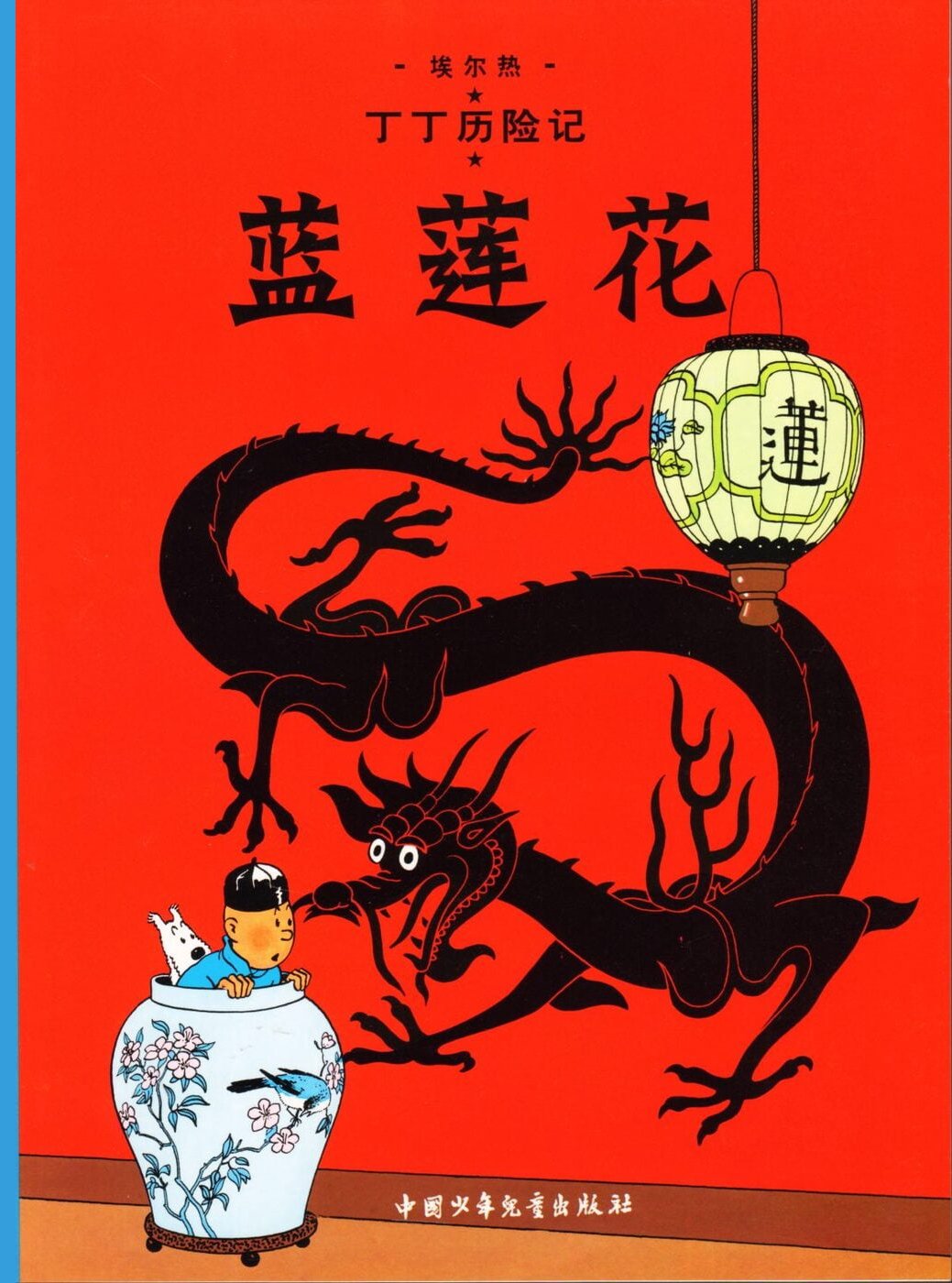
I have a few Chinese language editions, in both Traditional and Simplified, but the album I have in my collection that represents my trips to Northern China is the PERFECT one, “蓝莲花” (The Blue Lotus). Translated by Wang Bingdong, it was published in 2010 by the China Children’s Press and Publication Group.
As you can imagine, Tintin’s publication history in China is a bit complicated. For years the only Tintin albums that were available were pirate copies of varying degrees of quality – to the point that some Chinese readers though “丁丁” was actually Chinese, but that probably only added to his popularity.
However, during the “China Gold Rush” of the early 2000s – where nearly every western company tried to establish a foothold in the world’s giant newly open market – Casterman teamed up with the China Children’s Press and Publication Group to officially bring Tintin to a mainland Chinese audience. However the 2001 editions were not without their problems. First of all, likely lost in the “gold rush fever”, Casterman somehow didn’t know/notice that the Chinese editions were being translated from existing English editions – which are also sometimes debated over nuance and quality – and not from the original French editions. As such, a lot of Hergé’s subtly and wit was “lost in translation of translation” as they say. The also got caught up in a diplomatic row when the album featuring Tintin’s trip to the Himalayas showed up with the title “Tintin in Chinese Tibet” – I bet the Dalai Lama, famously a fan, didn’t like that.
However, the 2009 editions were corrected and properly translated from the French. All good.
As I’ve said before, I often have a target album in mind and this one tops the list. I did get a Russian edition of Tintin in the Land of the Soviets, but I only found it in Latvia. I have a copy of Tintin in Tibet – the adventure where he stops over in New Delhi – in Hindi that I picked up in New Delhi, but India is still just a small part of that album. But this time, I found a copy of Tintin’s adventure in Shanghai… IN SHANGHAI! There it was, sitting on the shelf in a bookstore right near the hotel.
It was like it fate intervened. My all-time favourite Tintin album, the perfect album for the trip, and the easiest one I’ve ever found all on my own. Sheer destiny.
My trips to China:
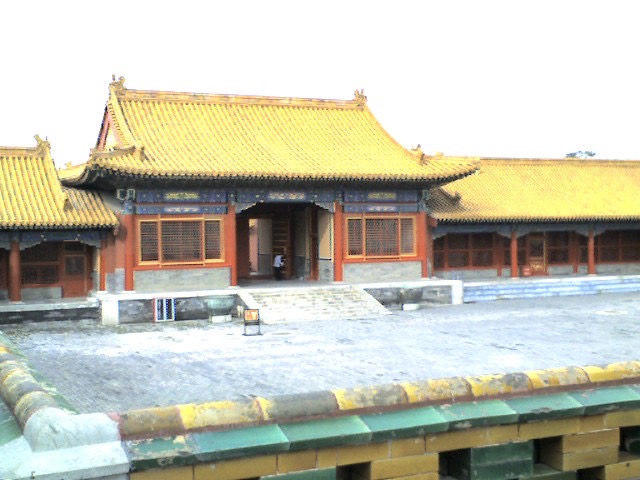
I’ve been to China several times, mostly for work. The first time was from March 8-12, 2007 in Beijing. As usual, my business trips are focused on business (obviously!), but I did have enough free time to be able to see at least two of the “must see” items in/near Beijing.
The first was Tiananmen Square and the Forbidden City. Beijing is quite a bit different than you might expect (or at least than I did) from a large Asian city with a population of roughly 22 million. It’s certainly crowded, but not overly cramped. It covers a huge geographic area and functions on a “ring road” system. There’s 6 or 7 rings (depending on how you count them), and each of the rings is somewhat focused on function (i.e. government, business/finance, education, residence, etc.), Tiananmen Square and Forbidden City sit right at the centre of it all – and it’s a huge area.
As someone who grew up in the 1980s, it was a bit surreal to visit Tiananmen Square. I couldn’t get the image of that man standing in front of the tanks out of my mind. But actually being there really gives you a sense of the scale of what went down with the student protests. Quite a sobering feeling. As for the Forbidden City itself… what can you say but “WOW!”. I’d visited the palaces in Korea before, but this was on a whole other level. According to Wikipedia, the Forbidden City was the imperial palace complex at the centre of the imperial city (Beijing) and the centre of political power in the country for over 500 years – and I believe it. I was only able to walk around a portion of the 720,00 square metres, and the sense of history weighs heavy. Just imagine walking around the same grounds as 24 emperors from the Ming and Qing dynasties. The complex claims to have 9,999 rooms (actually more like 8,886, but still!), and you can peek in on everything from the various throne rooms and servant quarters. It’s easy to get lost, both figuratively and literally, in a place like that.
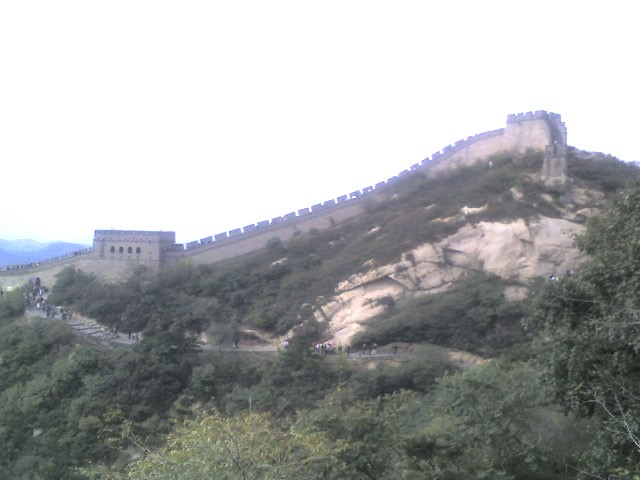
We also had a chance to visit the “Badaling” portion of the Great Wall, which is approximately 80 kilometers northwest of Beijing’s city center. It’s the main “tourist” portion of the wall, so it’s well preserved and even substantially renovated – basically when you think “Great Wall of China” this section is the image most people will have. As expected, there were a ton of tourists and an equal amount of people selling books and souvenirs. It was a lot of hiking up and down stone steps, but that’s to be expected I guess. As I walked along it, I could imagine it being manned by guards ready to repel invaders from the North. It’s always interesting to be able “feel” history around you.
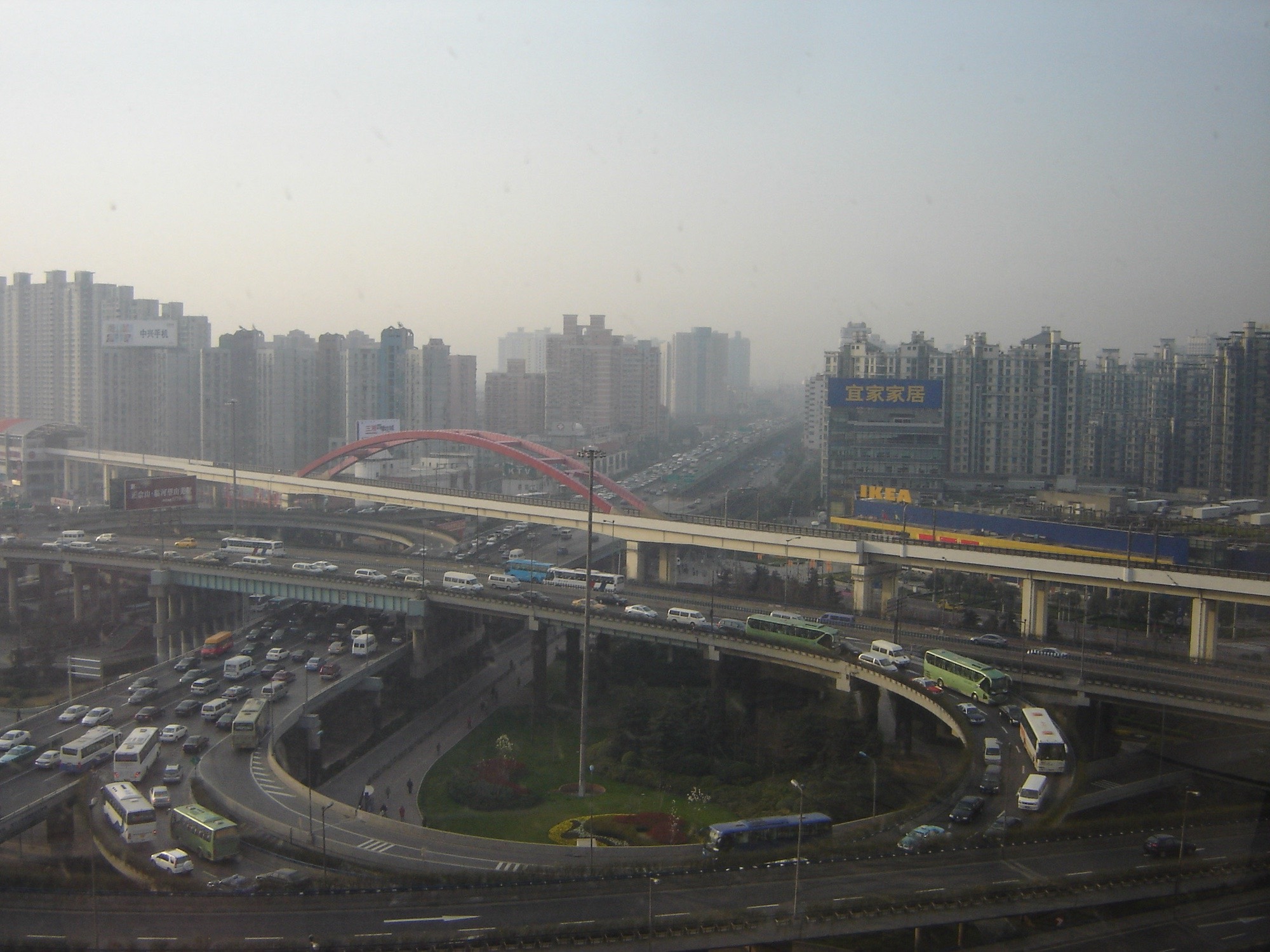
My trip to Shanghai, from October 7 to 11, 2007, was also work-related, but after being to Beijing it was neat to visit a Chinese city with such a different vibe. Beijing felt very “government-y”, but Shanghai feels like the economic centre. Besides just the sheer scope of the urban landscape one of the things I remember most about that trip was how many more “Western” brands I was able to see. I got to my hotel and looked out my window, eager to see “something Chinese” and what do I see staring back at me? A giant freeway full of traffic, and an equally giant IKEA box store. Not quite what I had been expecting, but in the early 2000s there were a lot of global companies rushing into the Chinese market.

As such, Shanghai is a bit of a contradiction. Walking along the Bund you could see the historic colonial-era buildings on one side of the Huangpu River, and the amazingly impressive modern Pudong skyline on the other. On that side of the river, every high-rise building looked more like a rocket ship than the last, and the iconic Oriental Pearl TV Tower the most of all! We were there in the evening and the lightshow was amazing, especially since it wasn’t for any special event, just a regular everyday occurrence. During the day (between meetings) I was able to get an few nice photos at the Lujiazui Central Green Space. It was interesting to have the the huge modern skyscrapers as the backdrop for a nice, more historical-looking, park/pavillion. I felt like I was seeing the “two faces of the Shanghai” all at once, the old and the new in harmony. It was great, but for my money, I prefer the traditional look. There are many amazing skyscrapers in the world, and I’m sure they’re all impressive works of engineering genius, but they lack the mystery and charm that you can only get from history.
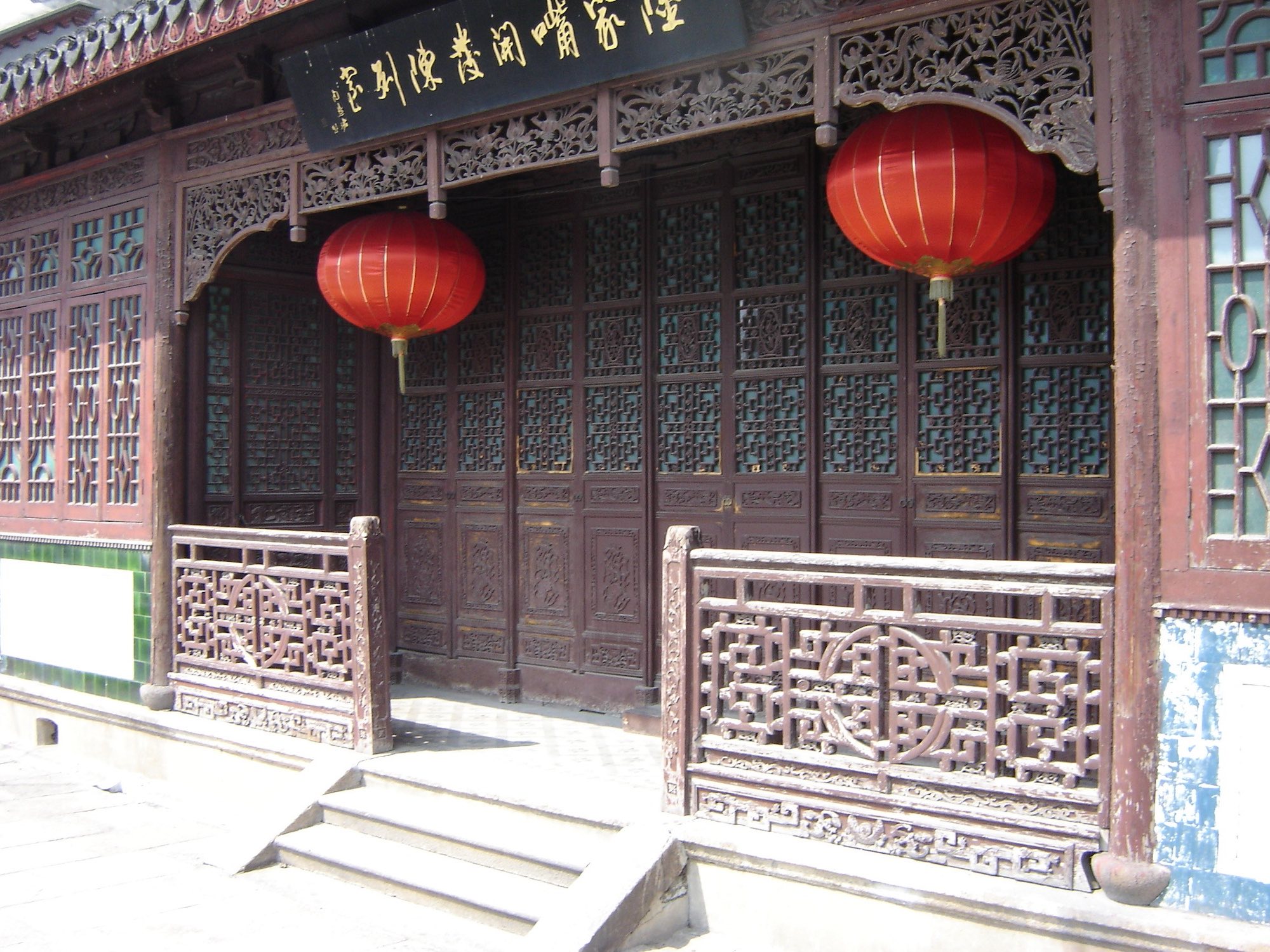
I had a chance to return to Shanghai briefly in 2010 (again for work) as the bookends of a multi-city tour from March 11 to 18, 2010. It was a whirlwind, but included stops in:
- Hangzhou, where I got to see the famous West Lake (Xī Hú) and heard the tragic romance of the White Snake (Bai Suzhen) and scholar Xu Xian, who met and fell in love at the Broken Bridge, leading to her imprisonment under Leifeng Pagoda.
- Chengdu, the capital of Sichuan Province, where the local contacts took me out to a “traditional street” and tried (and failed) to “out spice” me with their famously spicy local Sichuan cuisine. They did succeed in introducing me to one of my all-time favourite dishes – Dandanmian, though. Oh, and I also got to see pandas at the Chengdu Panda Breeding Research Center, which felt like quite an honour.
- Chongqing, on the banks of the famous Yangtze River, where I was greeted at the train station by the “bangbang” (or “stick men”) – an army of porters just waiting to be hired. With more and more modernization, it’s now a cultural relic that’s quickly dying out, but at the time wherever you looked there was a guy with a “bangzi” – a bamboo pole – ready to carry whatever you want. So convenient!
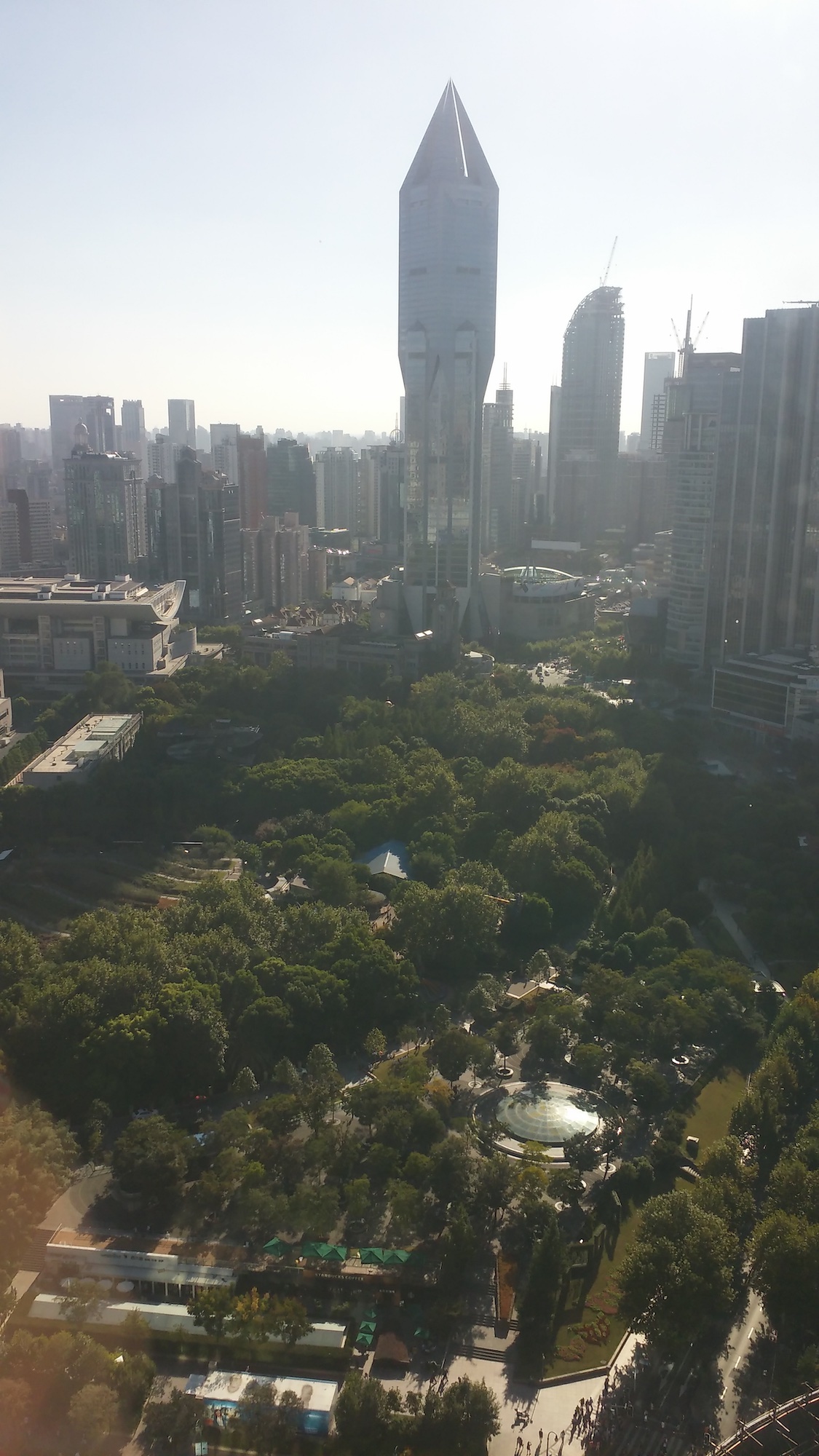
However, my best trip to China was from September 27 to 30, 2015. We had a few days off because of the Chuseok holiday in Seoul and we decided to take a short family trip to visit Shanghai.
We arrived there on the Sunday afternoon and quickly discovered it might not have been the absolute best time to visit. In China they were celebrating the same holiday, called the Mid-Autumn Festival (Zhongqiu Jie), so some things were closed. Still, it was nice to visit China for once with my wife and six-year-old son… and leave my business suit at home.
We stayed at the Le Royal Meridien and spend the rest of the afternoon/evening checking out The People’s Park (which was right next door) and exploring Nanjing Road. The weather was beautiful and there was plenty to see all in within easy walking distance. We explored the food courts nearby and had a variety of dumplings and noodles for dinner. So yummy!
On the Monday it rained, so we spend most of the morning checking out the Shanghai Museum. I’m not sure my young son appreciated looking at all the historical artifacts, but I found it very interesting. China has so much history, that even being able to see a few small slices of it is amazing. We were there so long that we decided to grab a bite to eat at the museum cafeteria before heading out into the rain. The advantage of the cafeteria was that there weren’t that many choices to choose from, and most of the ordering could be accomplished by pointing at what we wanted. That afternoon we walk down to the Oriental Pearl TV tower – it’s just as impressive up close – and stumbled across a bookstore that just happened to meet my “Tintin album” search needs. The store was HUGE (at least 5 floors), and chock full of interesting things beyond just the books. I was super happy to have succeeded in my quest on the first day – after that I could relax! We also found a few spots to shop at nearby “Super Brand Mall”, but after experiencing the Disney China Flagship Store, we were somewhat drained of energy and mostly just ended up walking along the Bund. Even in the daytime it was still quite impressive.
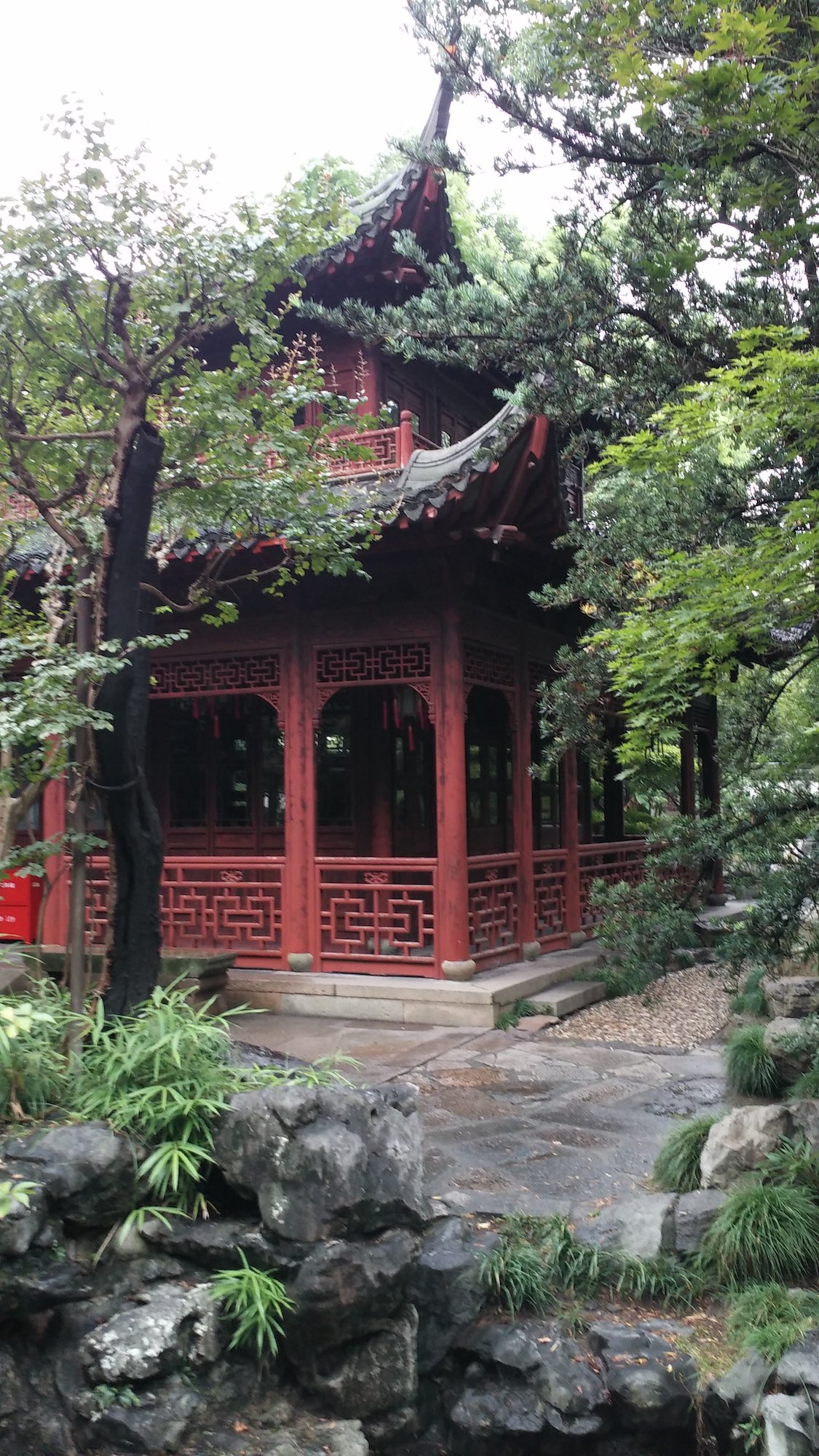
That evening we decided to return to our Nanjing road food court method and tried a different assortment of noodles, rice and dumplings. Even with the rain, it was still fun to walk along that pedestrian area – we even paid for an overpriced “train” ride from one end of it to the other. It was just a little golf cart towing some wagons, but I didn’t mind the chance to rest my feet but it was mostly for the benefit of my son, who was ecstatic!
On Tuesday morning we booked a cruise on the Huangpu River (on a boat the size of a small ferry) and took in the sights along the Bund. I’d seen them before, but never in the daylight actually ON the river so that was a new experience. I think my son was mostly just delighted about going for a boat ride out on the water!
In the afternoon we found ourselves at the nearby Yuyaun Garden. That was one spot that I really think we benefitted from the rain. Literally known as the “Garden of Happiness”, Yu Garden is a classical Chinese garden that dates back to the Ming Dynasty. It’s got everything you’d want to see if you were looking for something “traditional” and the rain made it all the more serene. There were pagodas, and other small and elegant structures. Everything was surrounded by a lot of greenery (I mean, it’s a garden, right?) and little fish ponds. Even in the centre of the sprawling metropolis that is Shanghai, you can find these little havens of history and tranquility. It probably would have been a bit more tranquil with less people though – did I mention we were there during the Mid-Autumn Festival? It seems like a lot of people had the same idea we did!
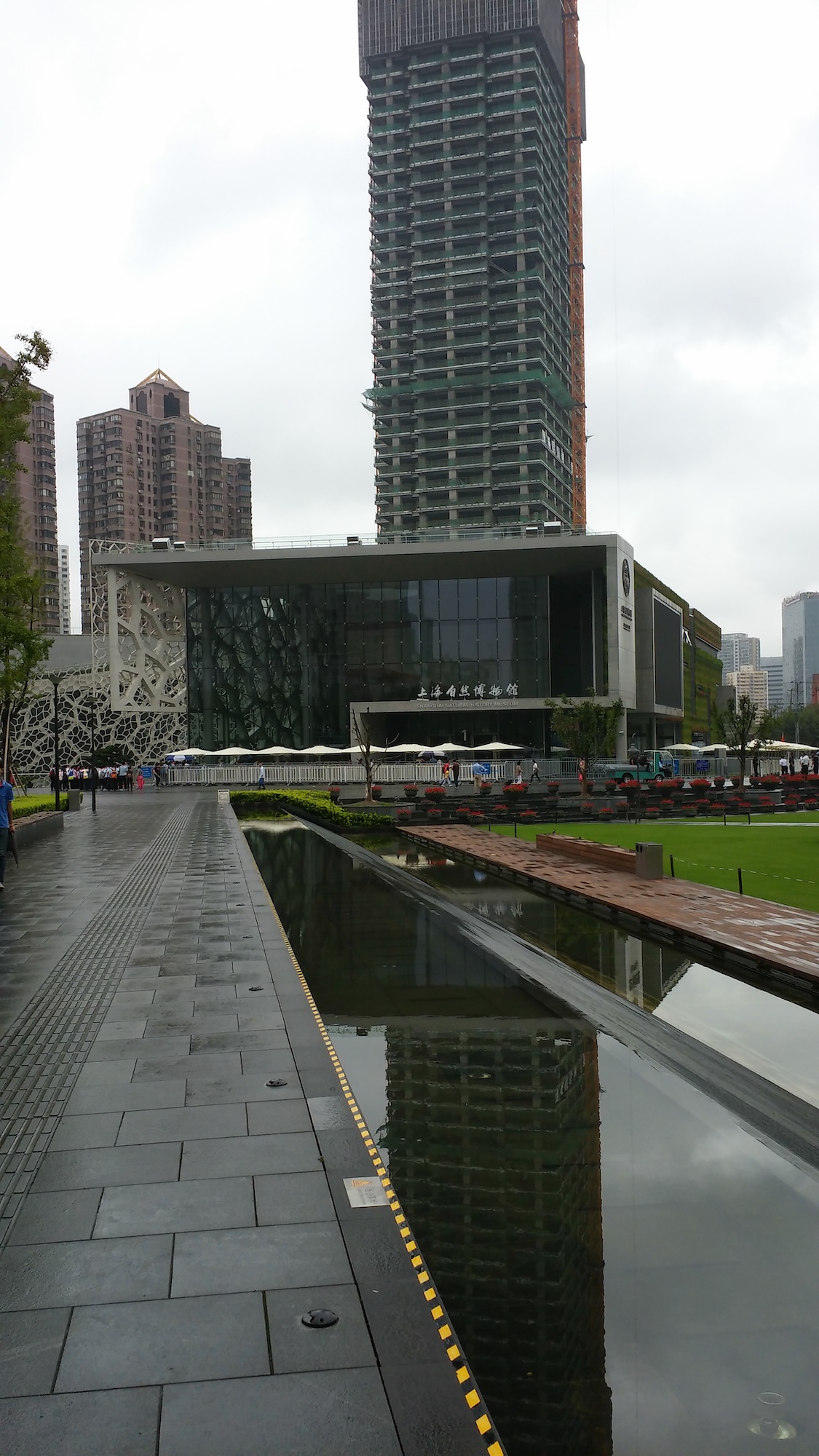
On Wednesday, we still had time to squeeze in one more activity, a trip to the Shanghai Natural History Museum. My son enjoyed this museum much more than the Shanghai museum – instead of stuffy ancient artifacts, there were lots of animals (both stuffed and alive) and most of the displays were interactive in some way. I think that the festival must have been over, because we shared the museum with a TON of school children. They were all over the place, so we had to try to time ourselves in each of the rooms – arrive after the previous group had left, and before the next one arrived.
We only had time to grab a quick bite to eat before we needed to make our way back for our late afternoon/early evening flight back to Seoul.
However, I promised my son we’d go home in style. So, we took the Shanghai Maglev Airport link back to the Pudong Airport. The train ride was super smooth… after all, it doesn’t have wheels, you’re travelling at over 300kph on magnets! At that speed it was just a short train ride, but my son was so excited. I’m pretty sure my son thought that was the best part of the whole trip!
Discover more from strobez
Subscribe to get the latest posts sent to your email.

2 Replies to “My Travels with Tintin – China”