My Travels with Tintin – Dominican Republic
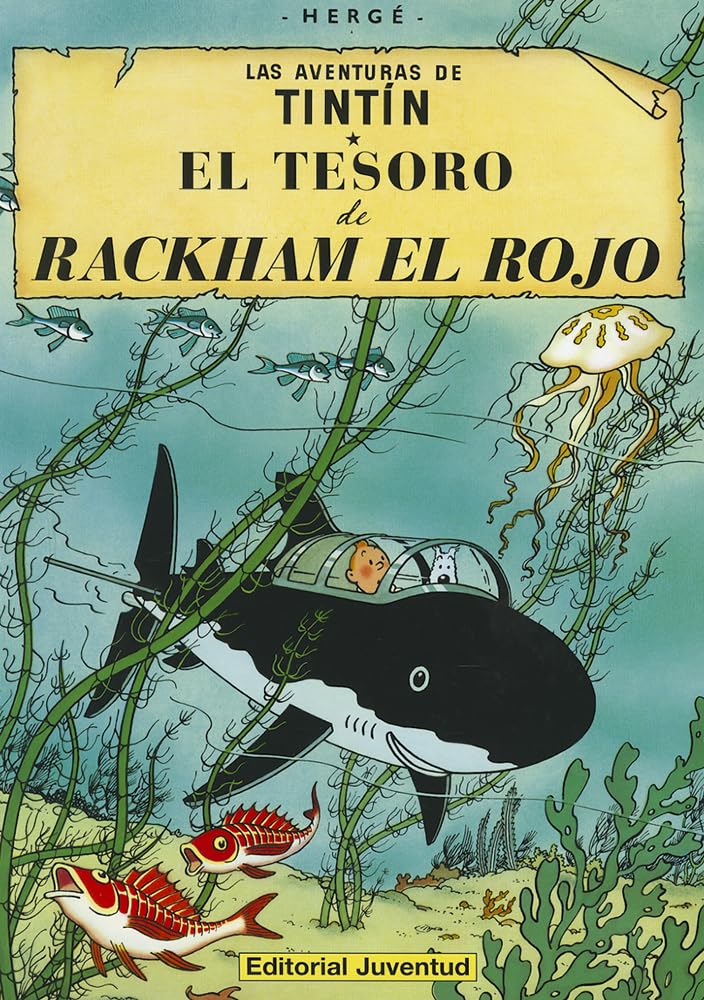
I have one Tintin album in Spanish, “El Tesoro de Rackham El Rojo” (Red Rackham’s Treasure). It was published in 2007 by Editorial Juventud.
Unfortunately, there is no local publisher of Tintin albums in the Dominican Republic. Like most Spanish-speaking countries in central/south American and the Caribbean, They get their Tintin albums directly from Spain.
The publishing history of Tintin in Spain is primarily defined by the long-standing stewardship of Editorial Juventud, which began releasing the albums in the late 1950s and established the “standard” version of the character for Spanish readers.
The first Spanish translations appeared in 1952, starting with the first two-parter The Secret of the Unicorn and Red Rackham’s Treasure. These early releases were managed directly by Casterman, before local licensing agreements were established. In 1958, Casterman signed a formal agreement with Editorial Juventud in Spain.
Throughout the 1960s and 70s, Editorial Juventud published all 24 albums in the series. These editions were noted for their overall high production quality and stable translations (especially compared to the English). The hardcovers from the 1960s, with their distinctive cloth-bound spines, are often described by collectors as “works of art” due to their durable binding and faithful reproduction of Hergé’s ligne claire style.
So, even though the album itself wasn’t purchased in the Dominican Republic itself, Red Rackham’s Treasure is one of albums I have where the representation leans heavier on Tintin’s travels rather than my own. True Tintin fans will know that the final coordinates for the treasure hunt are 20°37′42″ North, 68°31′59″ West – a location in the Caribbean Sea just north of the Dominican Republic, not far from the Navidad Bank!
As for how I purchased it… no real mystery there. I simply ordered a Spanish-language hardcover album off Amazon.ca and it arrived on my doorstep. Very nice.
My trip to Dominican Republic:
I’ve only been to the Dominican Republic once, from March 23 to 30, 2009 for an amazing family vacation.
When I say “family” I meant the WHOLE family. To celebrate my parents’ 40th wedding anniversary, all three brothers and their wives all decided to spend a week together at a resort in La Romana, Dominican Republic.
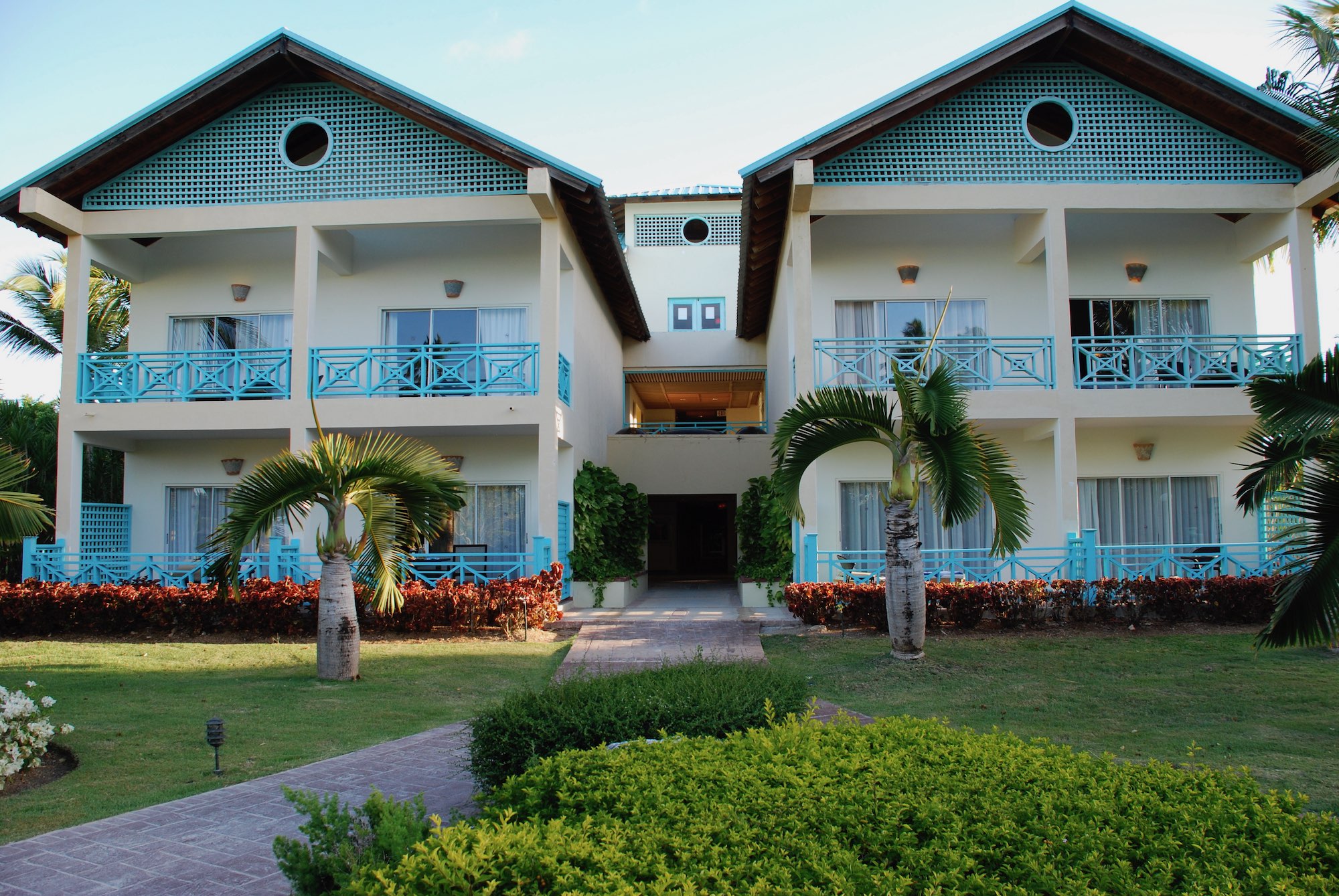
It was a bit of unfortunate timing though, with my wife already nearly eight months pregnant with our son, so she didn’t get to enjoy the beach vacation as much as she might have otherwise. However, we all got quite a surprise when both my brothers and their wives also announced they were also expecting their first children – unbeknownst to each other. So the family vacation turned out not to just be a celebration of my parents’ life together, but also one welcoming the NEXT generation of our family. It was a great party… just no alcohol for the ladies. Still, only one of the wives was in the later stages of pregnancy. For the other two it was still just a concept… for my wife it was already a challenging daily reality.
For my part, I was excited to go to the Dominican Republic. There are many beautiful vacation spots in the Caribbean, but I’ve long been interested in how Haiti and the Dominican Republic can share the single (relatively) small island same island of Hispaniola… and yet be so different. Of course there’s the difference in languages, with Haiti being primarily French-speaking and the Dominican being Spanish-speaking, but they’re also so different from a geo-political lens. Haiti remains poor, lawless, and full of internal turmoil. Dominican on the other hand, though not without their own issues, remains relatively peaceful, stable and prosperous – especially by comparison. Doing a bit or research told me that a lot of it has to do with their Colonial Roots. Haiti was a French colony (Saint-Domingue) that relied on a brutal, massive-scale slave plantation system for sugar and coffee. The Dominican Republic (Santo Domingo) was a Spanish colony with a more diverse, cattle-based economy and a less rigid social structure.
While Haiti became the first nation founded by formerly enslaved people after a successful revolution in 1804, France forced Haiti to pay massive “independence debt” for lost property (slaves and land), which crippled its economy for over a century. The Dominican Republic gained independence later (finalizing in 1844 from Haiti), without such a crushing financial burden. Even though both nations faced 20th-century dictatorships, the Dominican Republic transitioned to a more stable democracy earlier (post-1961). Haiti suffered under the Duvalier regime until 1986 and has faced frequent coups and political unrest since then.
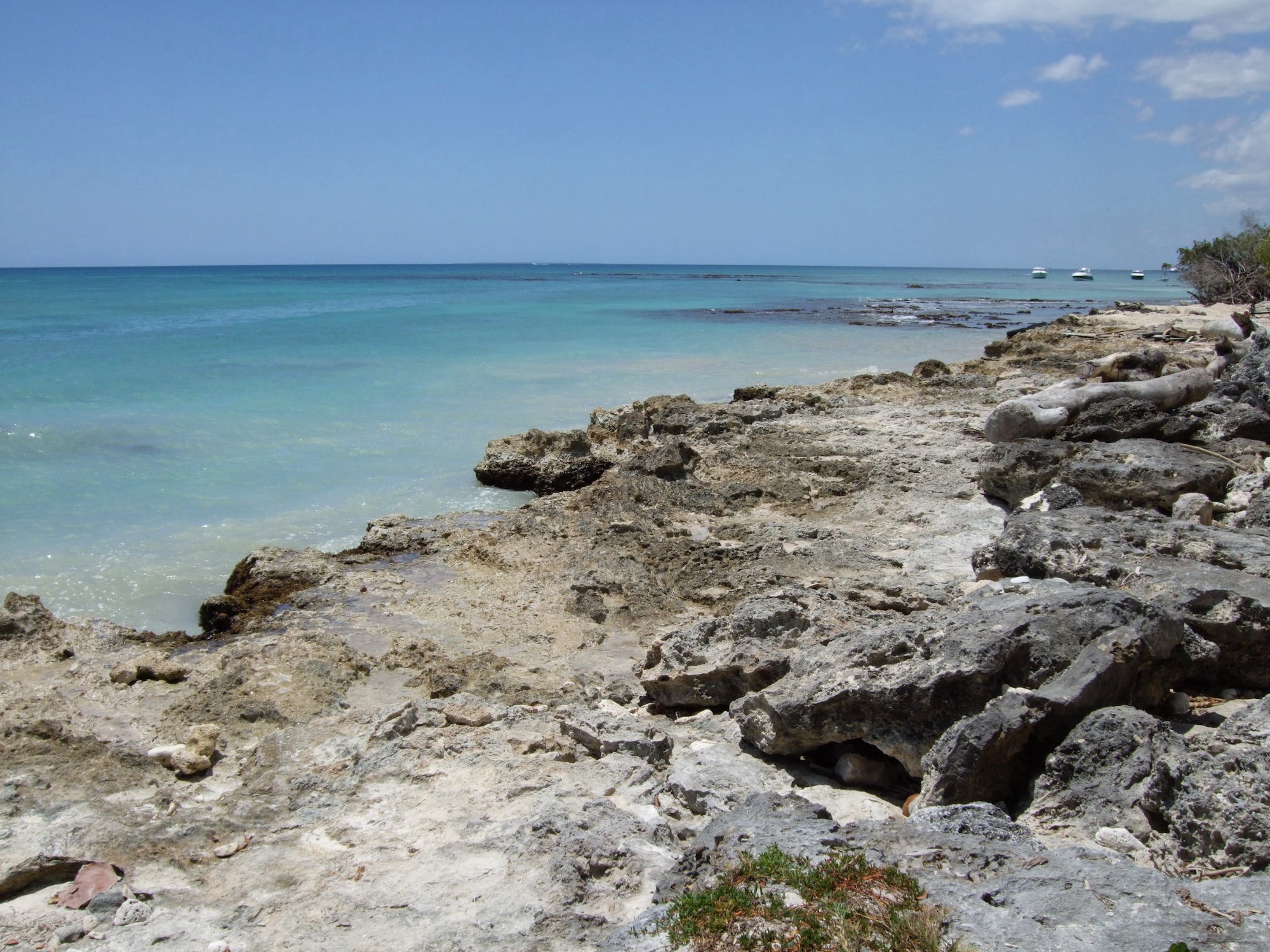
So, while it seemed unwise to plan a family beach vacation in Haiti, a trip to the Dominican Republic seemed like the next best thing. Still, there’s really not all that much to tell about our trip. We all stayed at an all-inclusive resort on the beach, so most of our days were spent either in the pool or on the beach – which of course was lovely. Most of our evenings were spent sampling different dining experiences at one of the several on-site restaurants. Rinse and repeat.
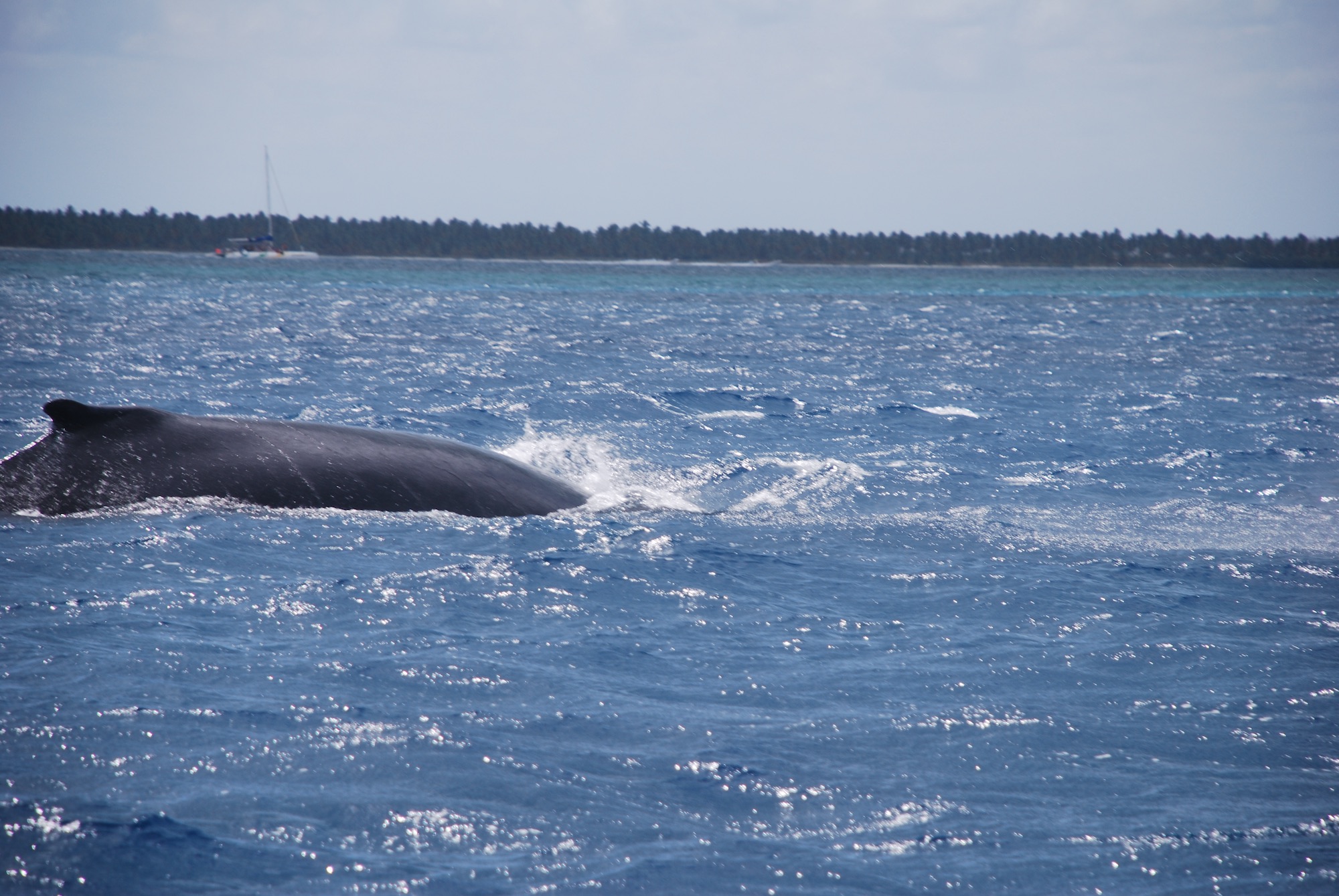
There were only really two events that took us beyond the boundaries of the resort. The first was a small fishing trip for my dad and his three sons. From a purely fishing standpoint it was a bit of a bust – I’m not sure we even caught a single fish. What we did get to do was enjoy some rum (out of view of our pregnant wives), go swimming next to a small coral reef… and even get an unexpected whale watching experience. No fish… but a win nonetheless.
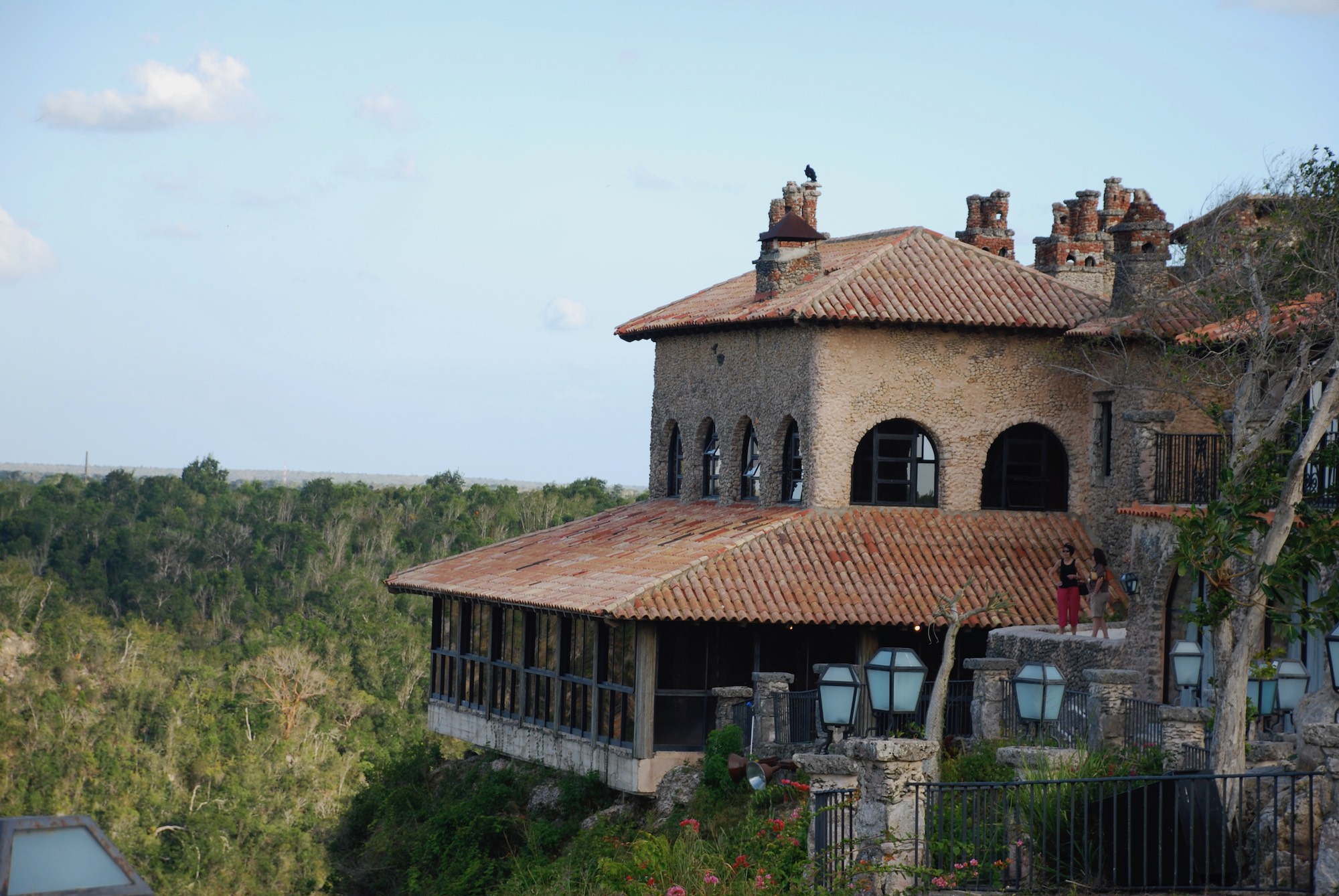
The second, which involved the whole family, was a trip to the nearby village of Altos de Chavón in La Romana province. A little internet research tells me that Altos de Chavón is a meticulously designed replica of a 16th-century Mediterranean village, perched approximately 100 meters above the Chavón River. While it appears ancient, construction only began in 1976 and was completed in 1982. We didn’t know that at the time, and honestly, it doesn’t really matter that it’s not as old as we thought. It was a lovely afternoon spent with my family doing something that a) gave us a bit of perspective on the history of the place we were visiting, and b) didn’t make my wife feel like a beached whale.
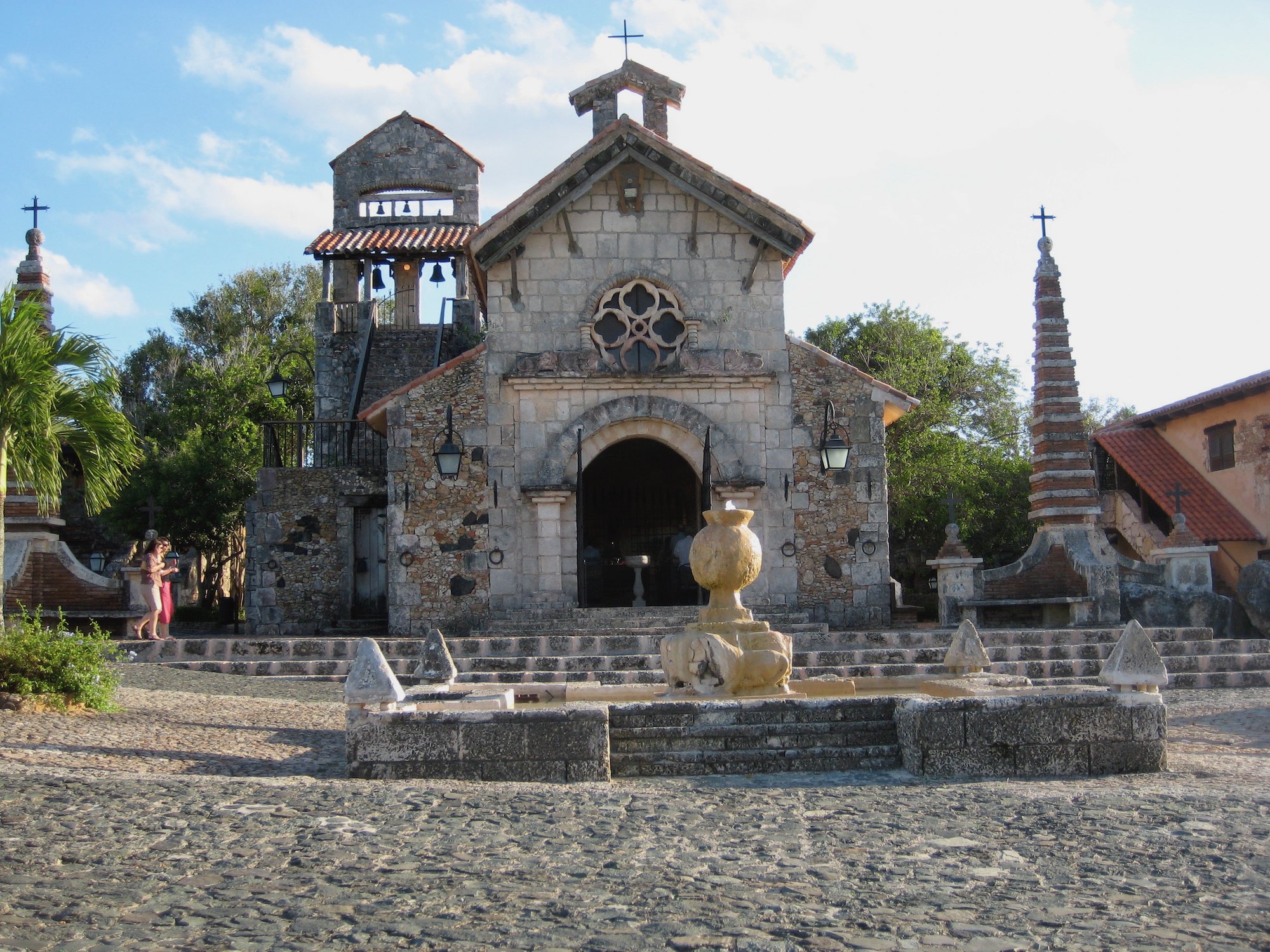
The highlight of Altos de Chavón had to be Saint Stanislaus Church. Consecrated in 1979, the church was named after the patron saint of Poland – which made it a crowd favourite with my family. To commemorate its opening, it seems that Pope John Paul II sent a hand-carved statue from Krakow and the ashes of St. Stanislaus to be kept there.
For the less religious, Saint Stanislaus Church also has a celebrity connection. Given the opportunity for spectacular pictures, the church is a popular wedding venue and is notably where Michael Jackson and Lisa Marie Presley were married in 1994.
All in all, it was a nice way to celebrate my parents’ wedding anniversary by giving my mom what she really wanted – an opportunity for our whole family to be together. The bonus was that she got to find out that the family was going to get bigger too!
Discover more from strobez
Subscribe to get the latest posts sent to your email.
