P01 – Mitsubishi A7M1 “Reppū” (Sam)
LE Mitsubishi A7M1 Reppū (烈風, « Fort Gale » – nom de code allié « Sam ») était le remplaçant prévu du célèbre Zero. Les travaux de conception commencèrent en 1942 pour un nouveau chasseur propulsé par un moteur de 2 200 ch. Étrangement, la Marine décida d’installer un moteur bien moins puissant, et lorsque le premier prototype vola en 1944, il était gravement sous-motorisé. Les bombardements alliés et un tremblement de terre dévastateur causèrent des retards constants, mais lorsque l’avion vola enfin avec le moteur initialement prévu, il fit preuve d’excellentes performances ascensionnelles et d’une excellente maniabilité, combinées à une vitesse de pointe de près de 640 km/h. Mais c’était trop peu, trop tard. À la fin de la guerre, seuls huit prototypes de Reppus avaient été construits et aucun n’avait volé au combat – tandis que le Zero persévéra jusqu’au bout.
Caractéristiques : Envergure : 10,95 m. – Longueur : 14 m. – Mitsubishi MK 9C R-A (Ha-43 unifié) moteur à pistons radiaux 18 cylindres refroidi par air, 2 200 C.V. – Armement : 2 mitrailleuses Type 3 de 13,2 mm + 2 canons Type 99 de 20 mm dans les ailes. – Vitesse maximum : 628 km/h.
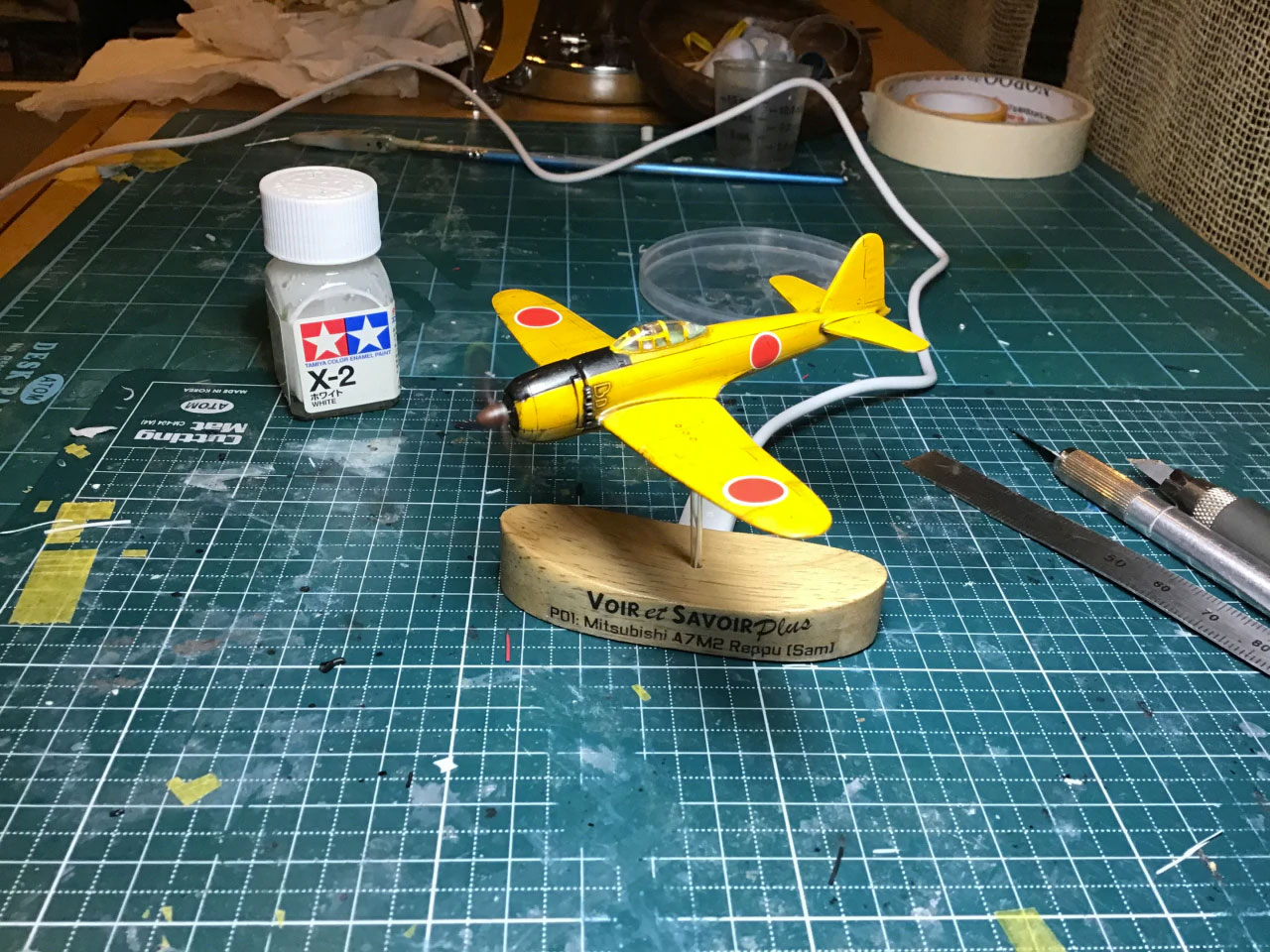
The finished model:


The video:
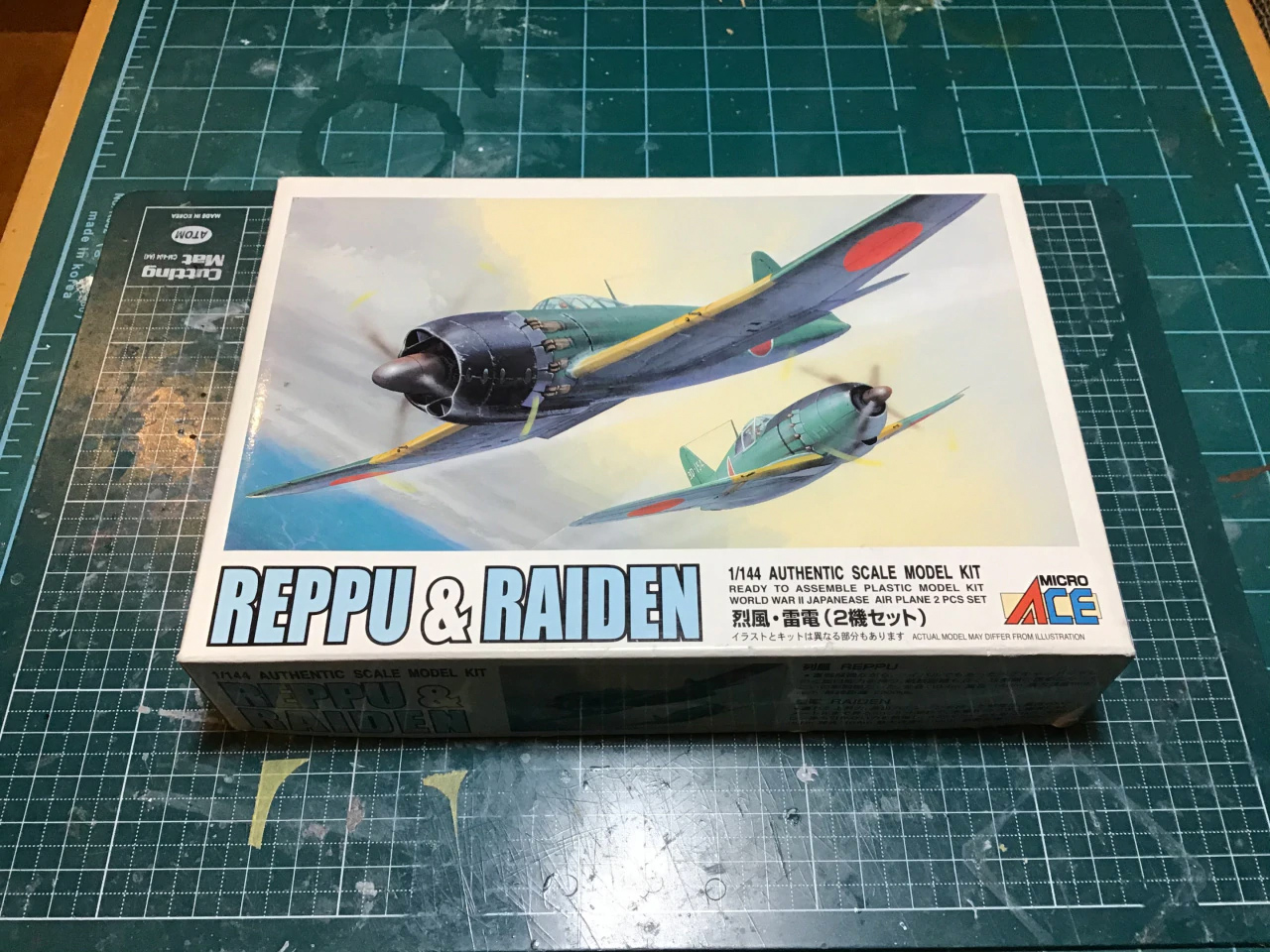
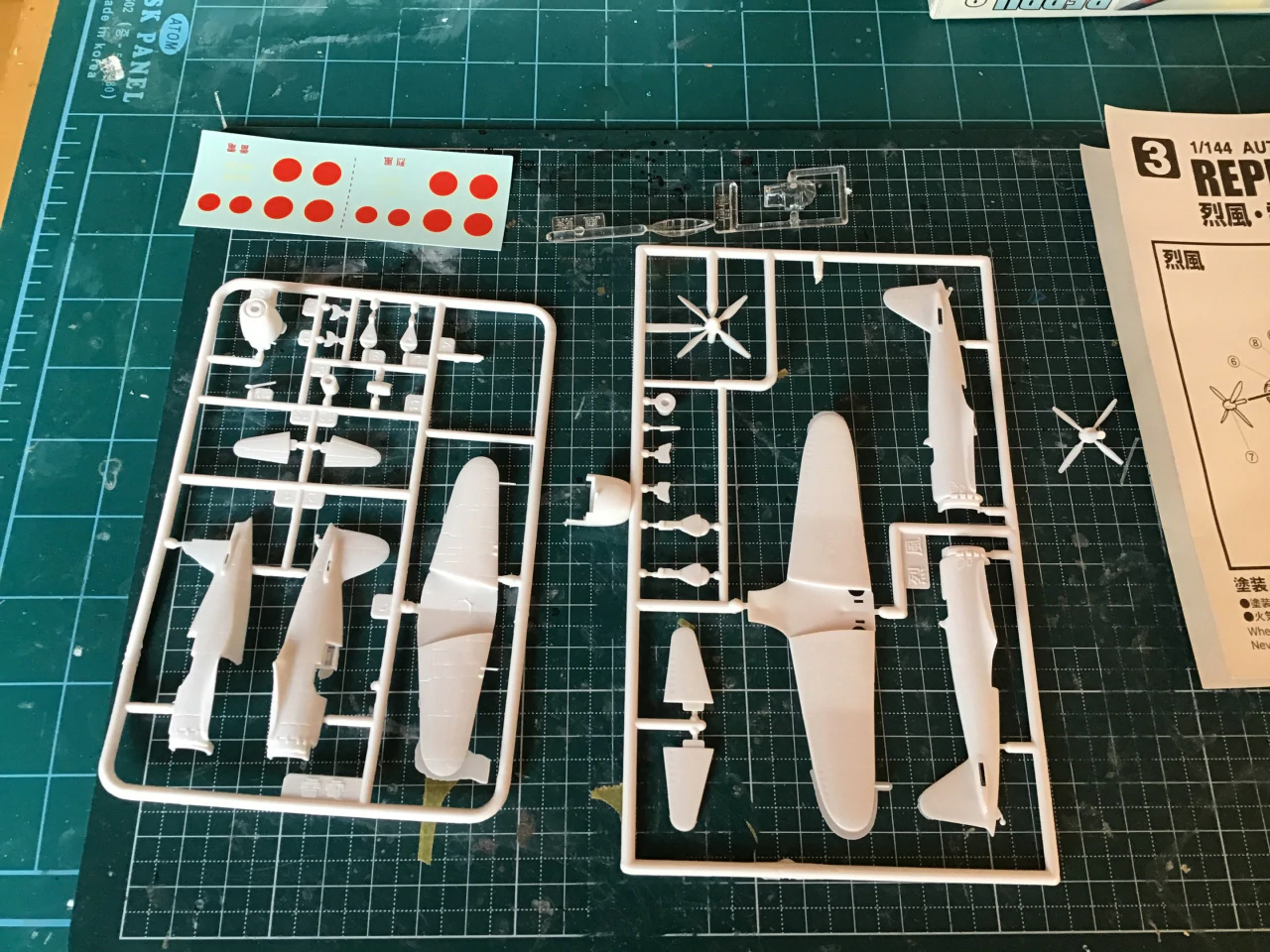
The kit:
The vision:
As I mentioned before, I just happened to have this box kicking around in my stash. While I as happy that I could use the J2M2 “Raiden” (Jack) portion of the box for Voir et Savoir entry #56, I wasn’t quite sure what to do about the A7M2 “Reppu” (Sam). After all, it isn’t listed among the 60 planes of the Voir et Savoir series.
Of course it didn’t take me long to realize that there are quite a few neat WWII-era planes that didn’t make that particular cut, including some of my favourites, like the Polikarpov I-16 and the F4U-1 “Crusader”, and that bothered me. I like to feel a connection of some kind to my model building projects – even if it’s a bit tenuous. That’s why I’ve created several large “project themes”, covering interests of mine from artists such as Hergé, Hayao Miyazaki, Leiji Matsumoto and Kaoru Shintani. The continuity and connection gives another layer of meaning to my models. Some people get that from a plane/boat/tank they used to ride in when they were in the military, some get it from a squadron that their father/grandfather/great-grandfather fought in “during the war.” For me, I get it from comics and/or animation.
So, even though it REALLY doesn’t matter. Having an excuse makes it more meaningful for me… and really that shouldn’t be a limiting factor. So, I just created a new section called “Voir et Savoir Plus” and now, pretty much anything goes! I might even extend it to include “Voir et Savoir Moderne” to incorporate whatever jet fighters don’t get to play in my Area 88 1/144 scale project! Why not? it’s the perfect (unnecessary) solution to a (non) problem.
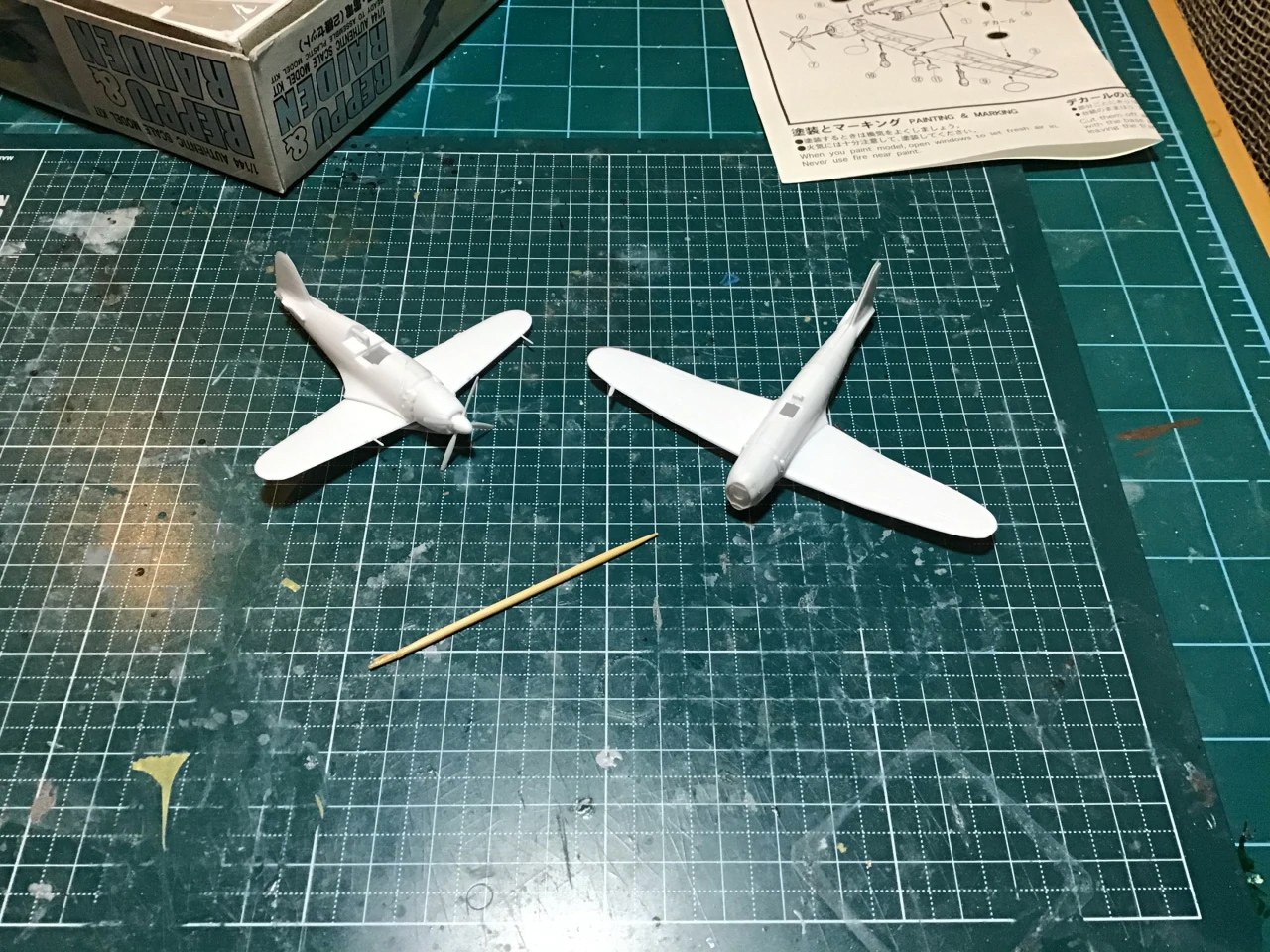
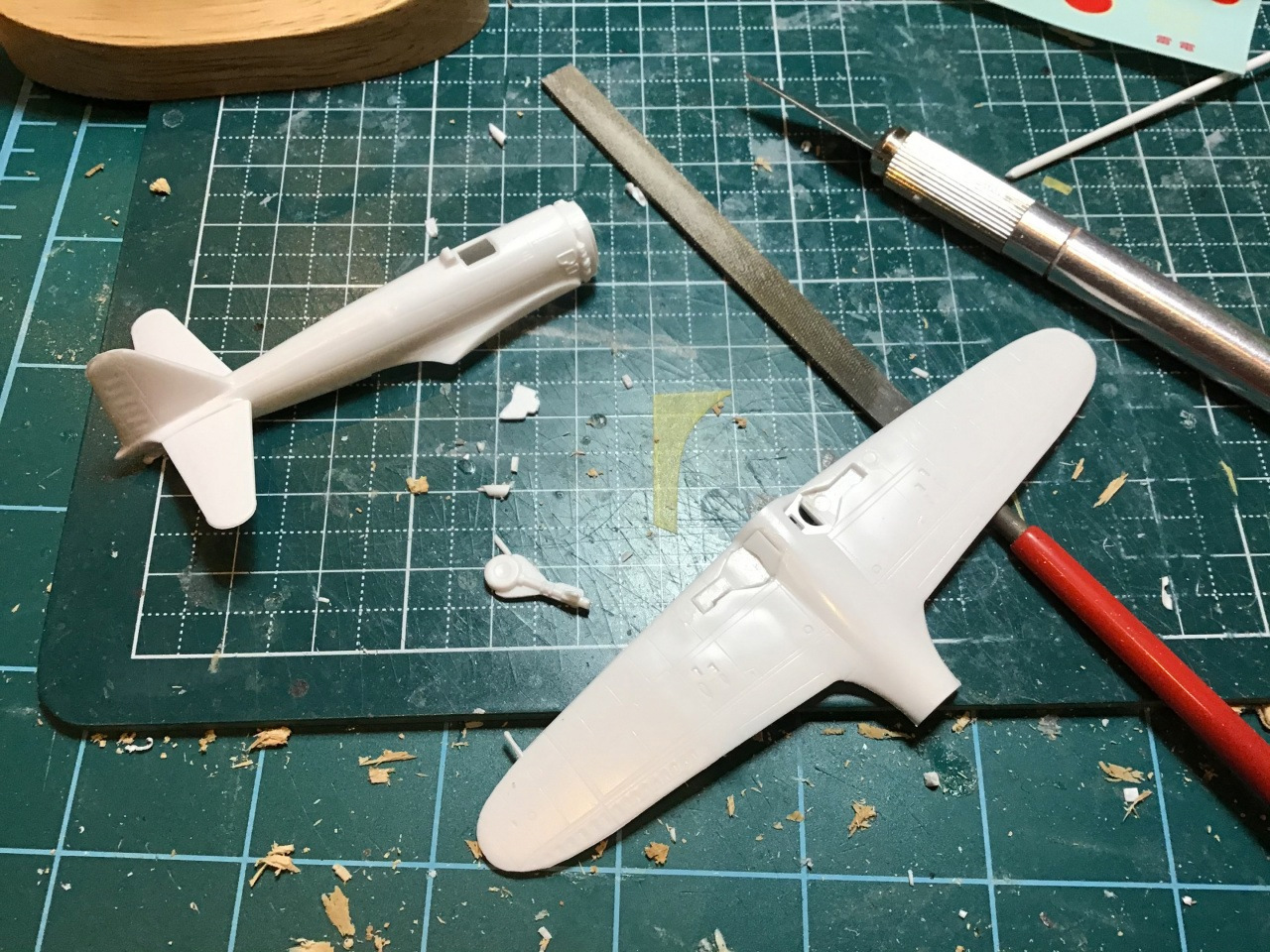
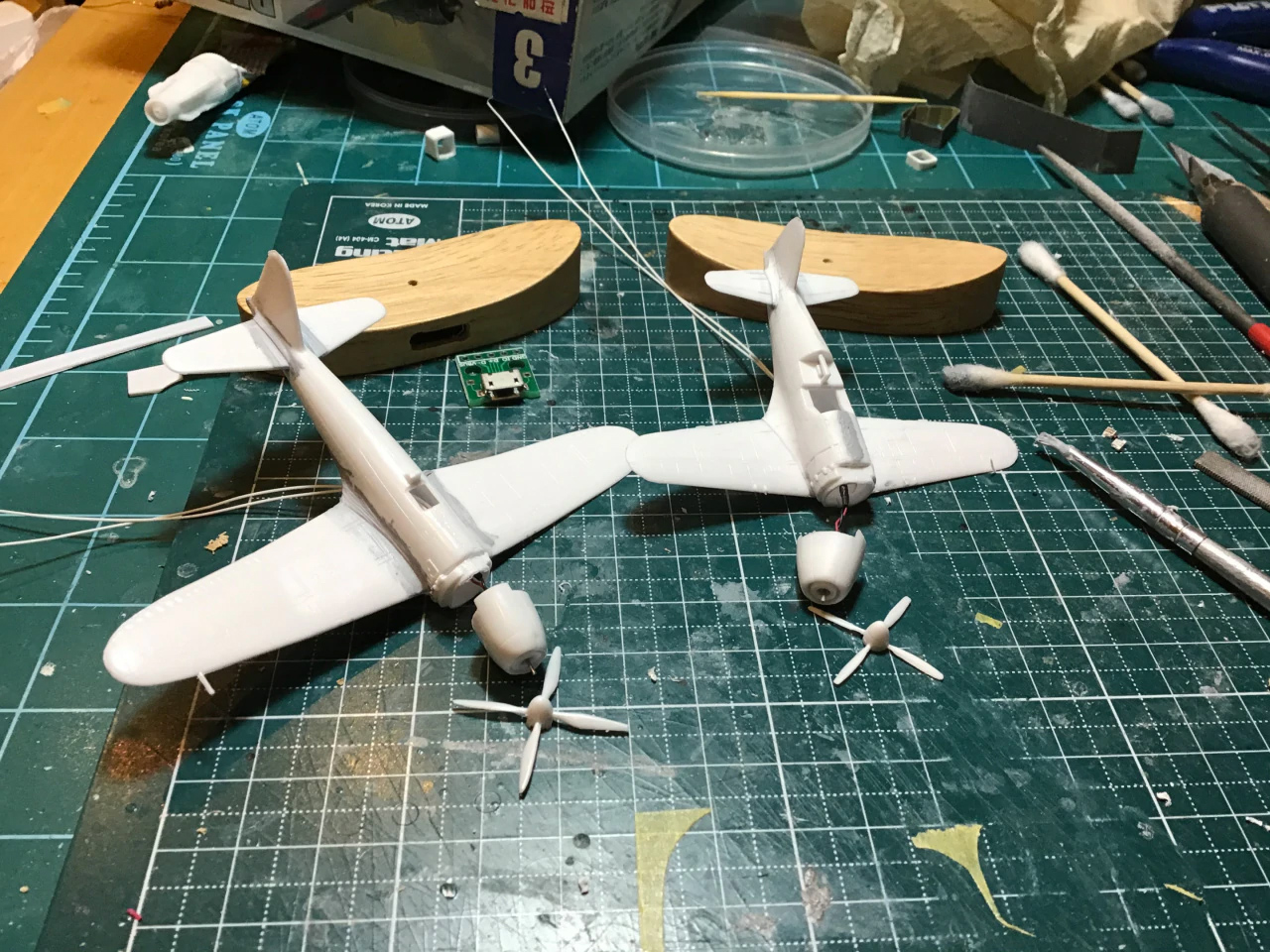
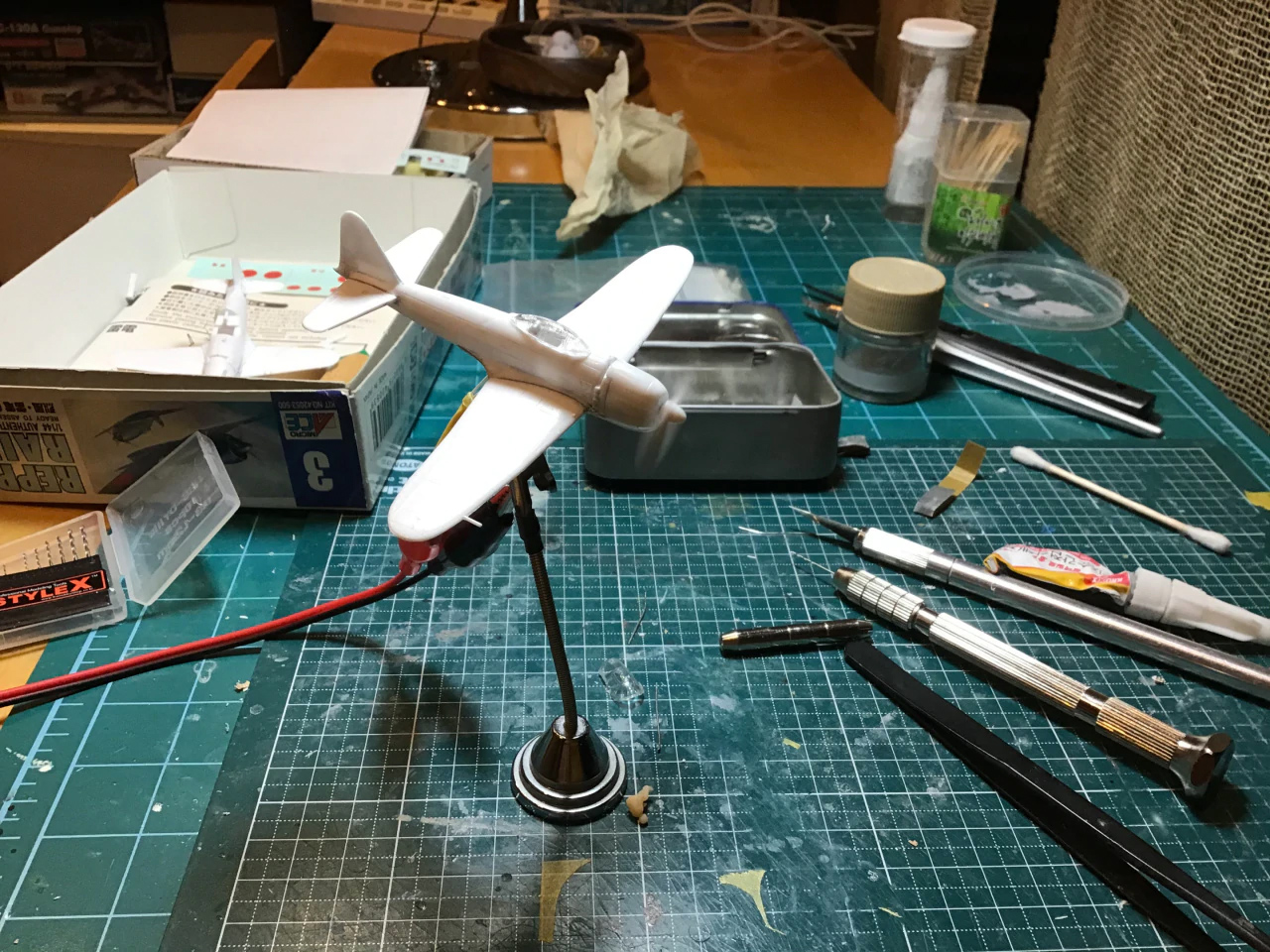
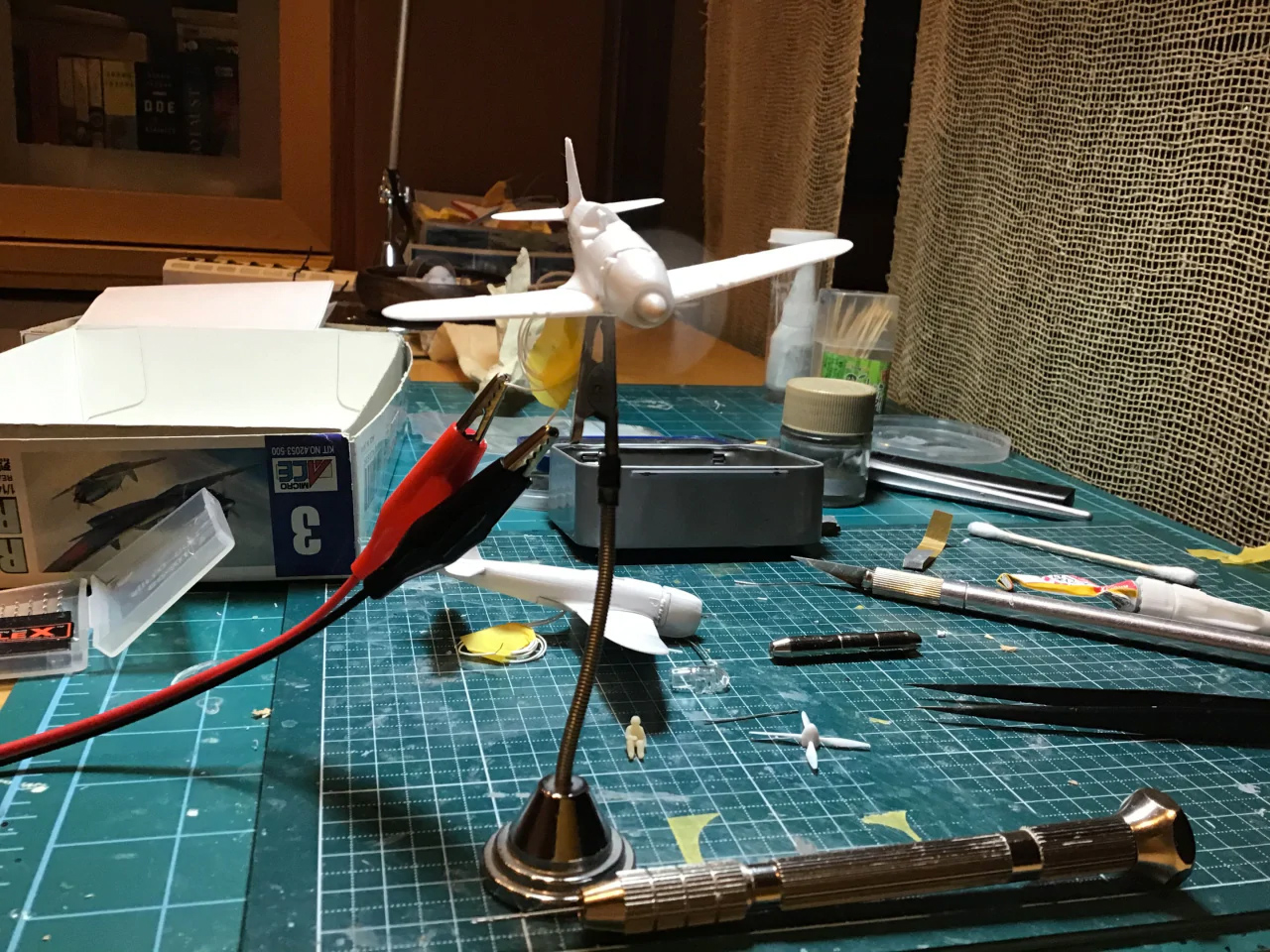
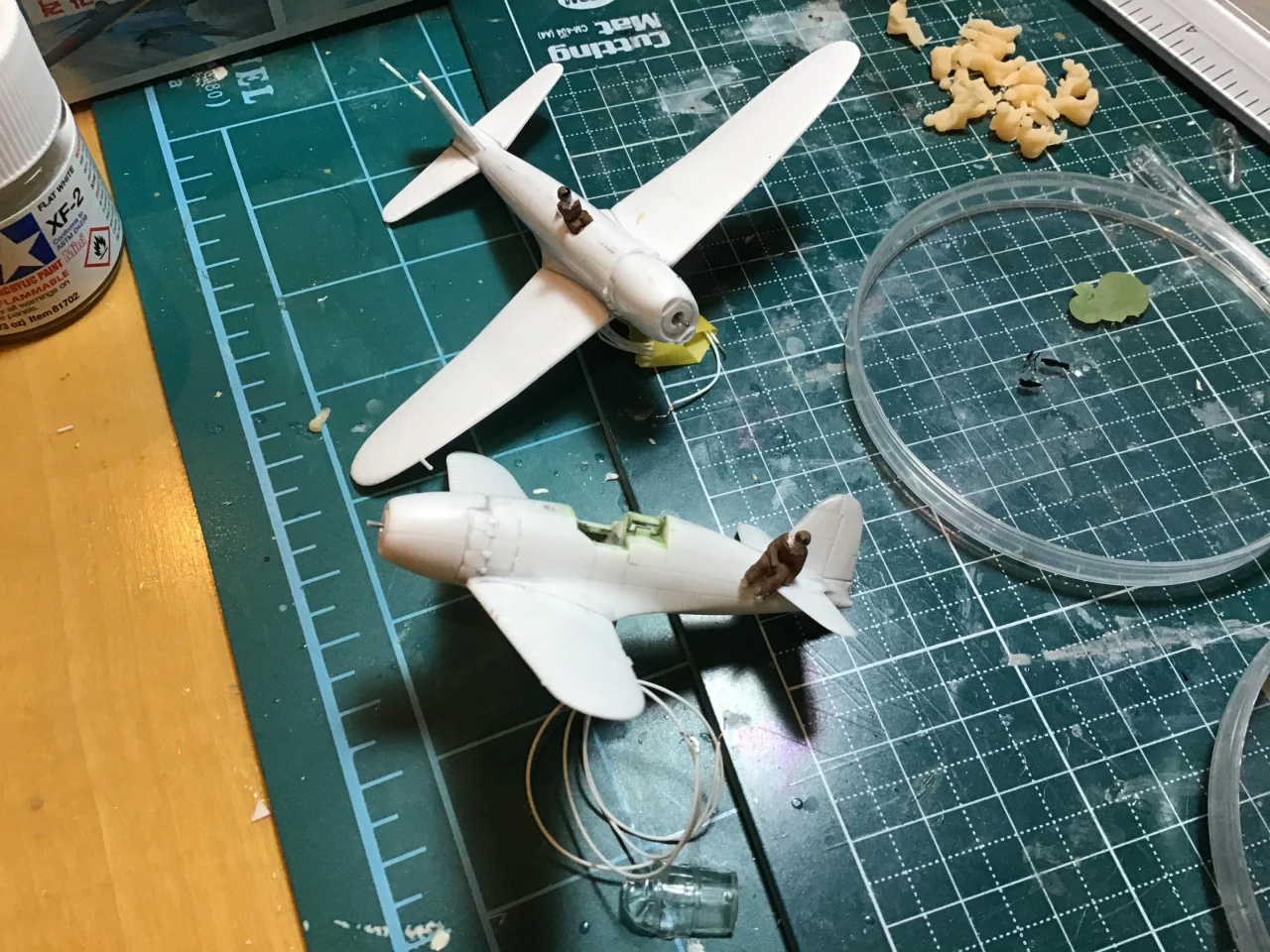
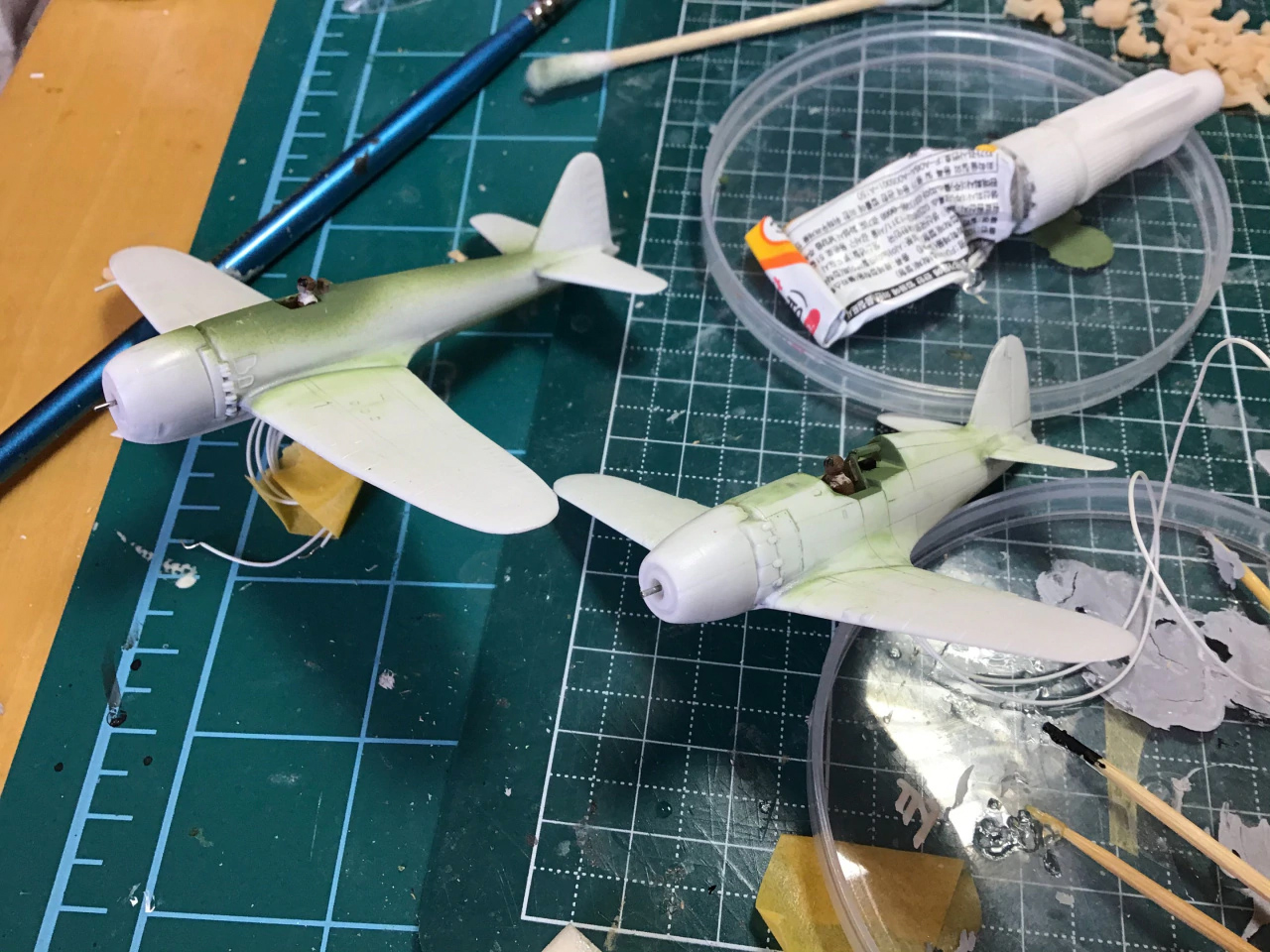
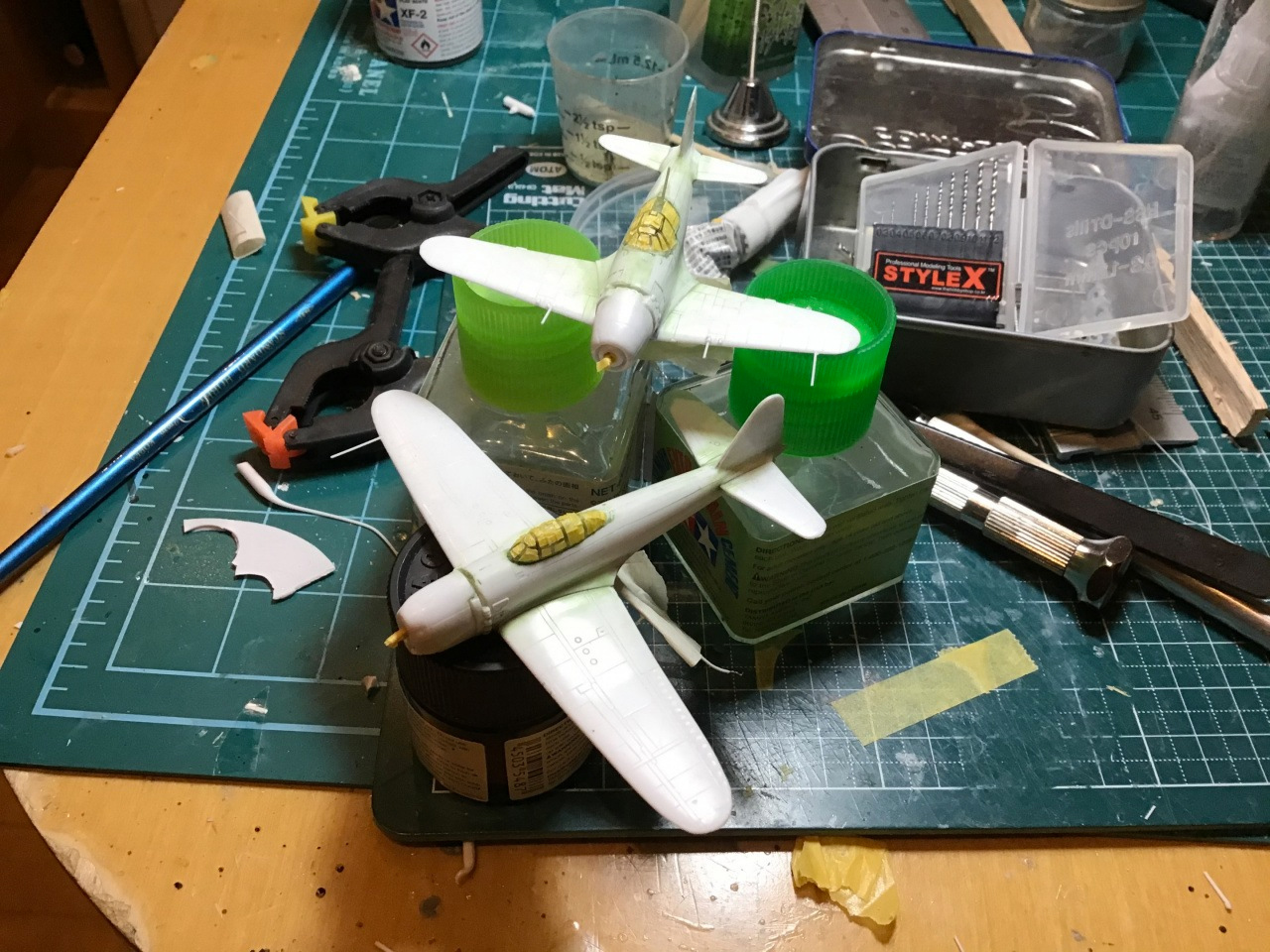
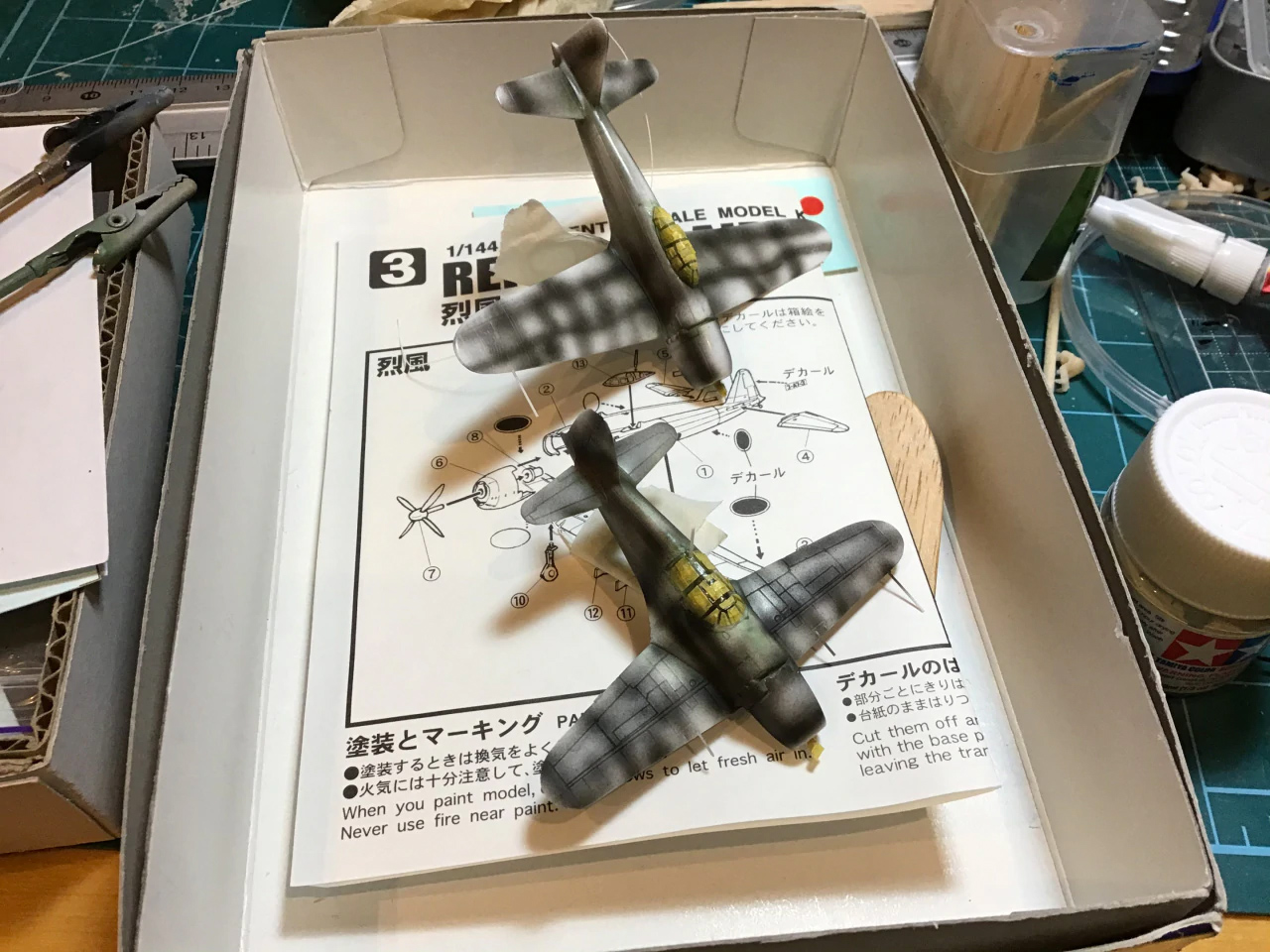
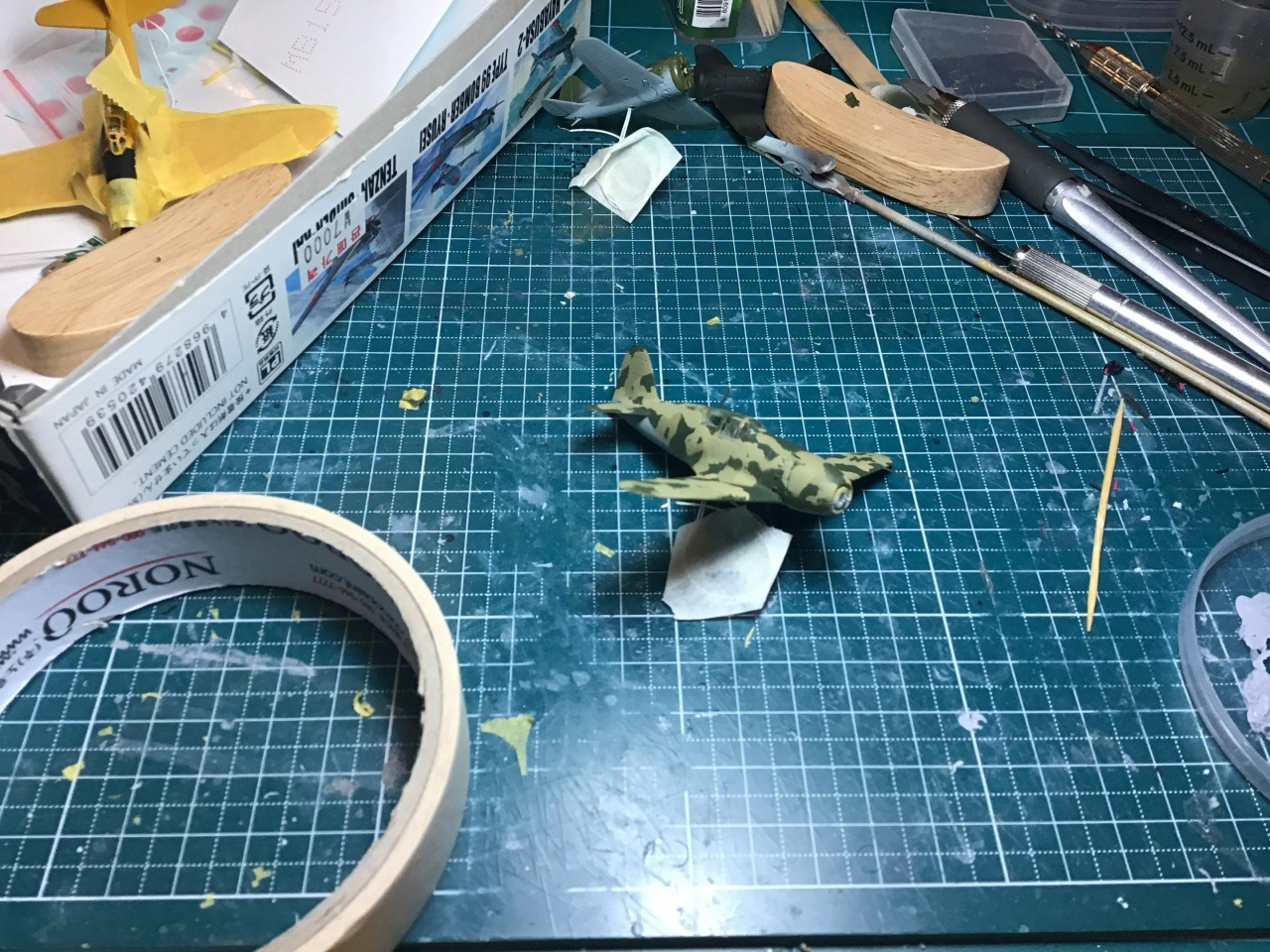
The build:
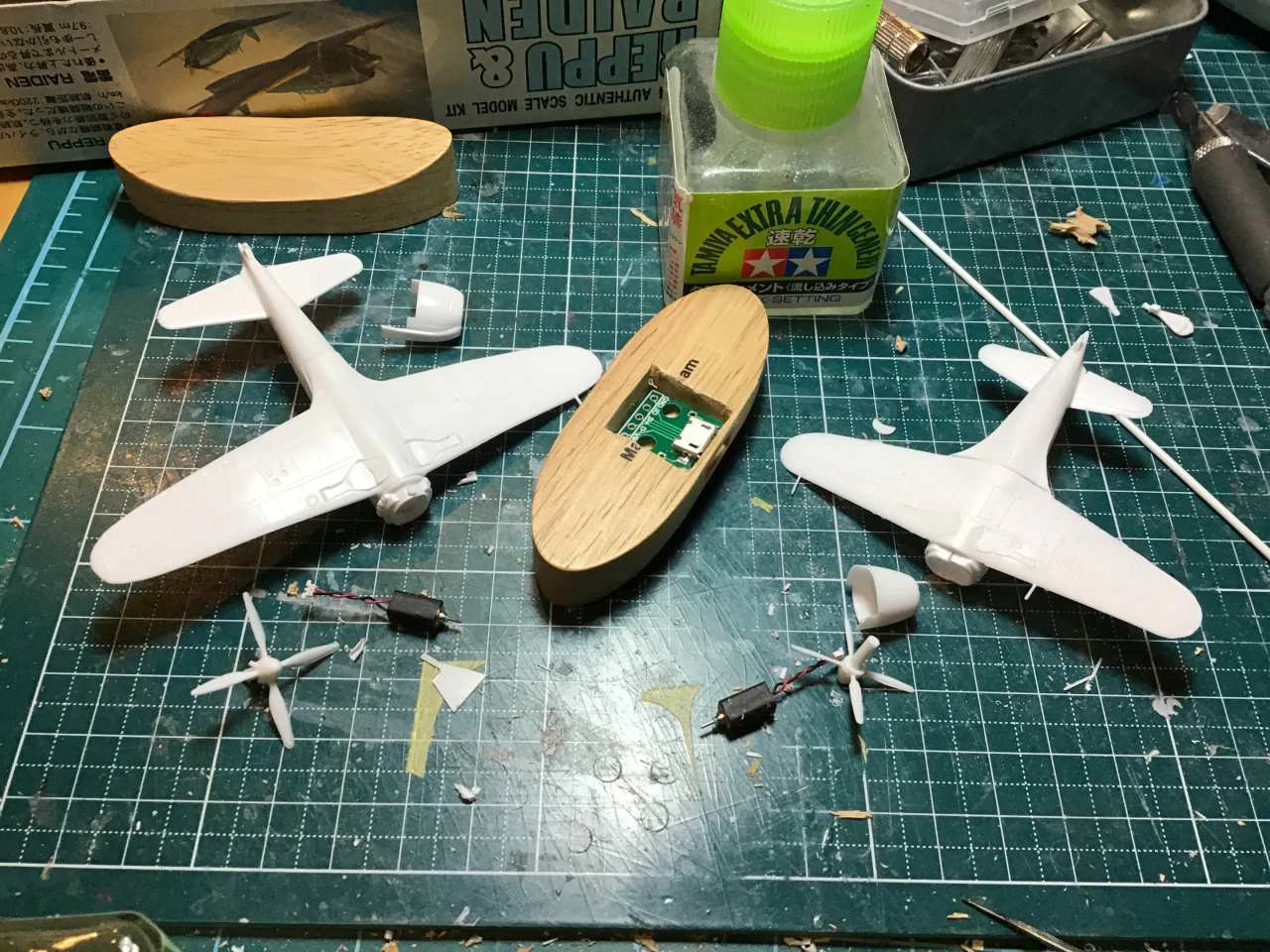
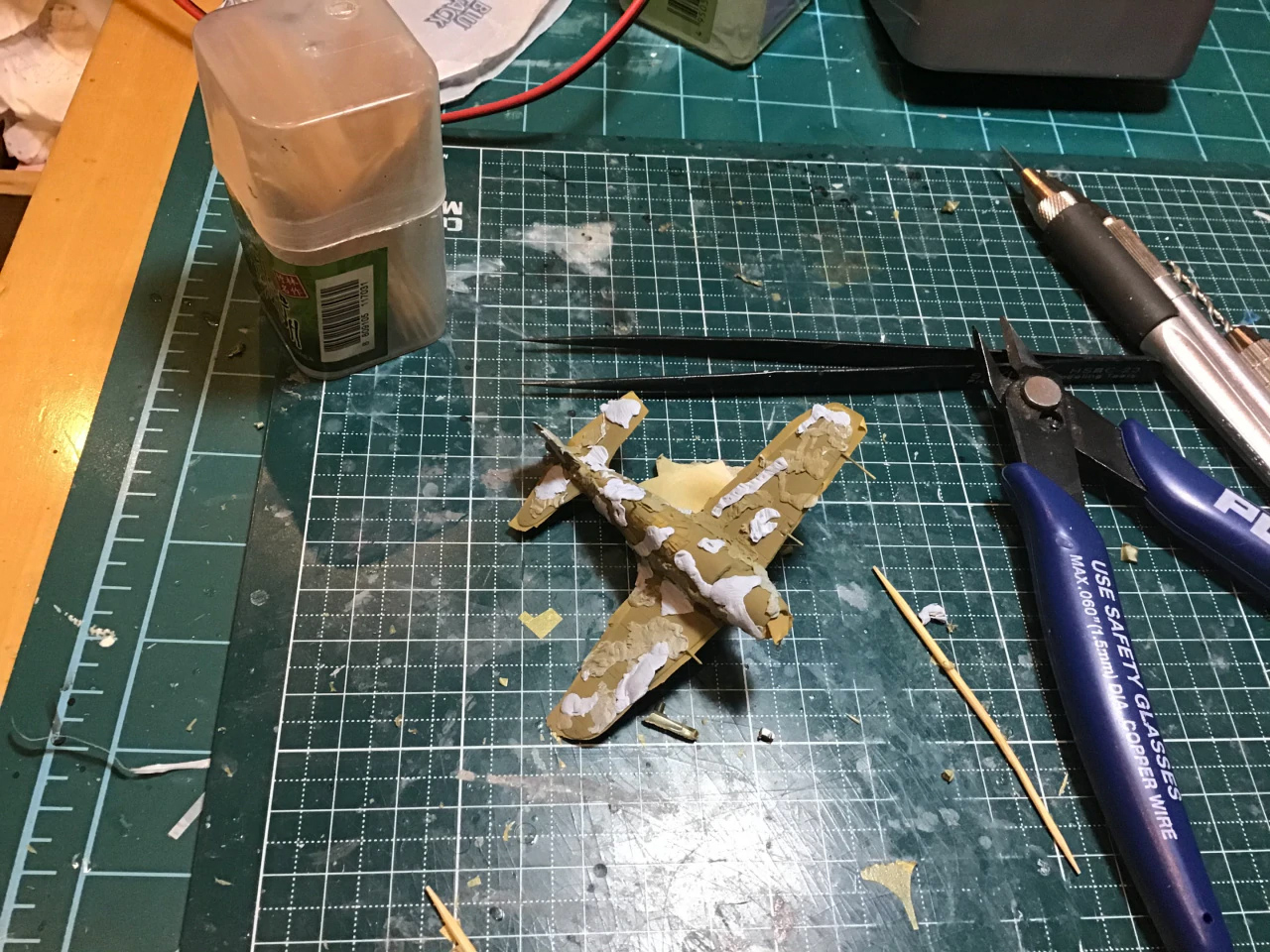
Even though this was a twin build, I’ve created another page for the J2M2 side of the build. So if you’re interested, feel free to check it out.
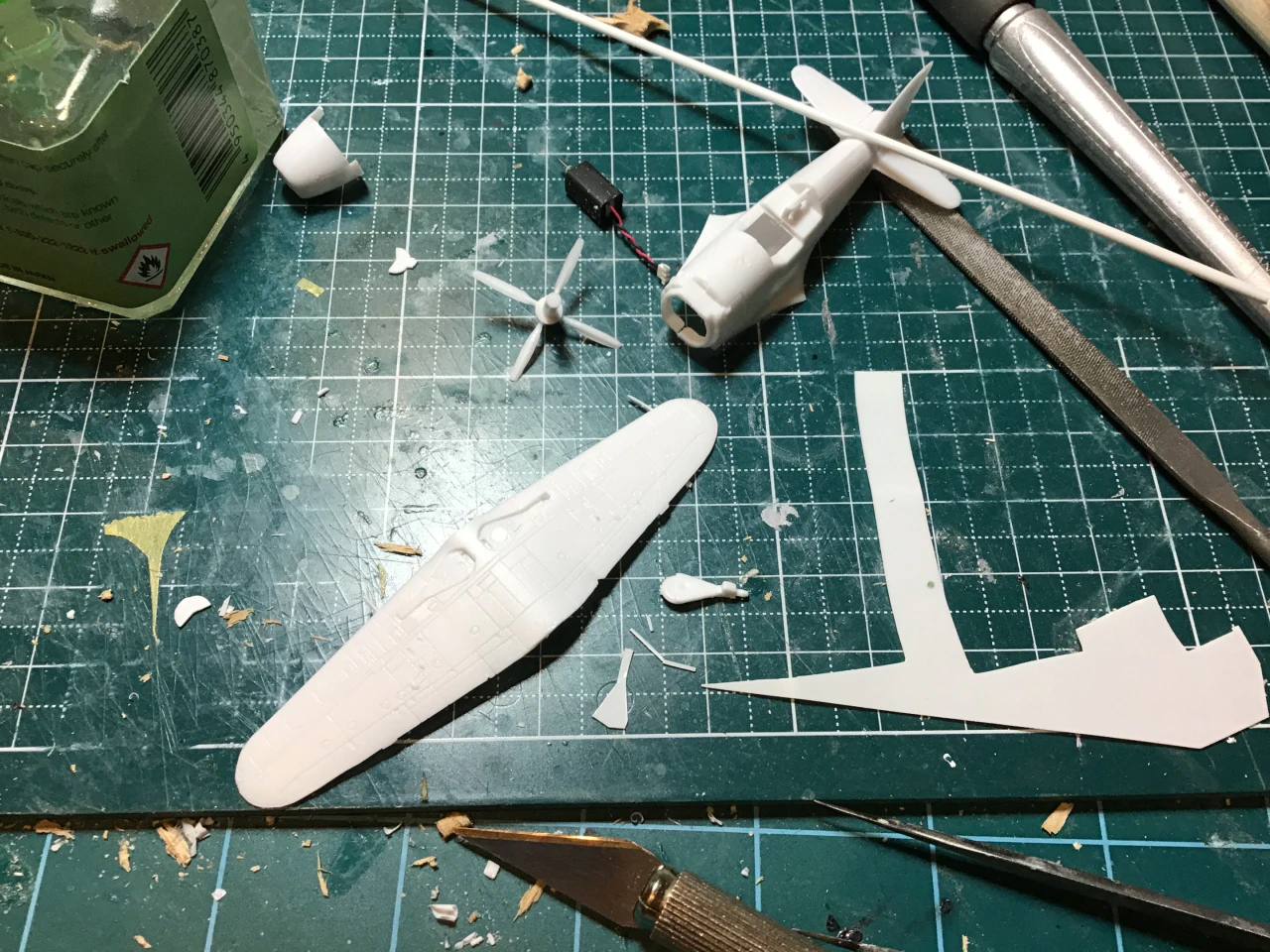
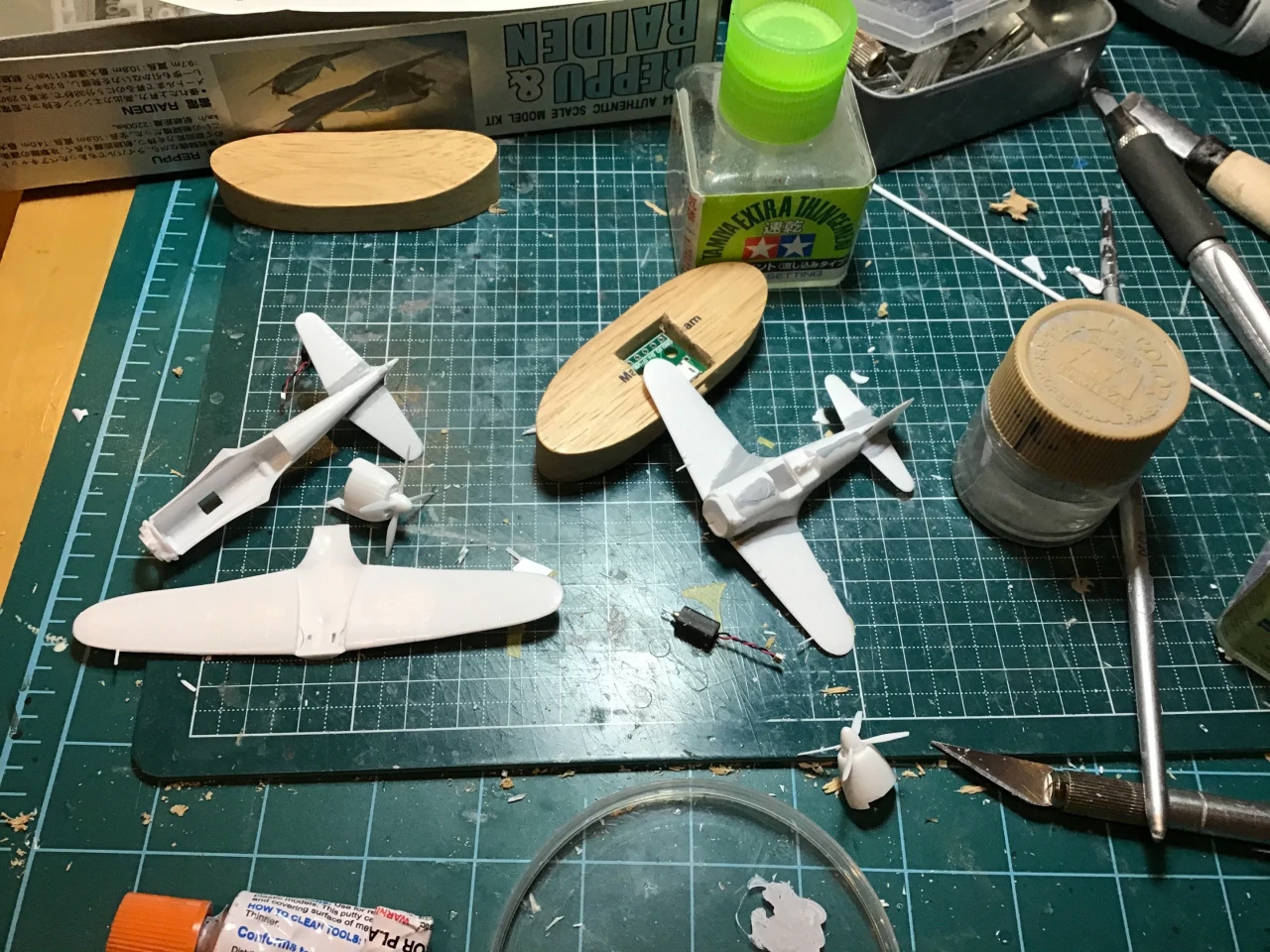
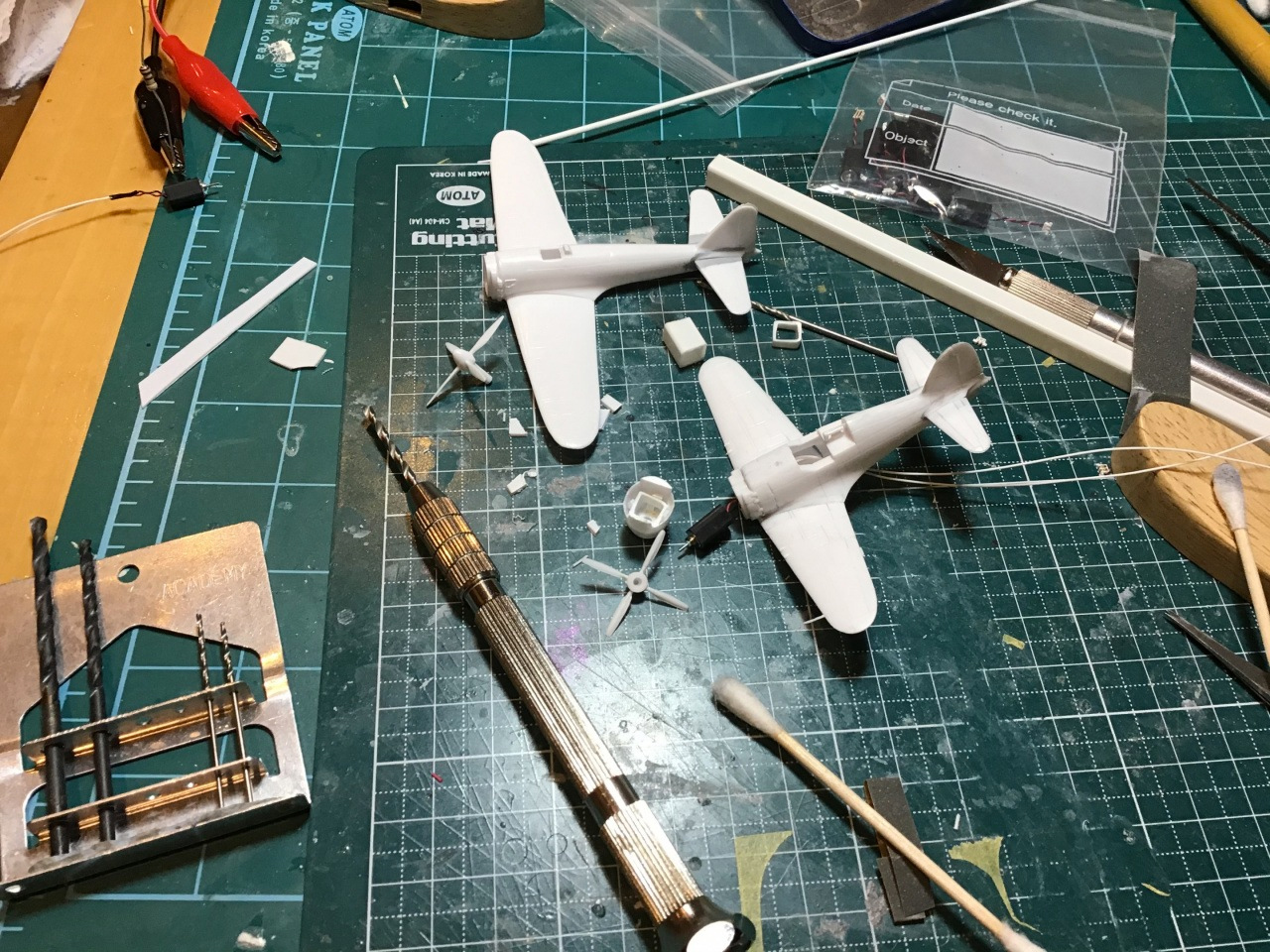
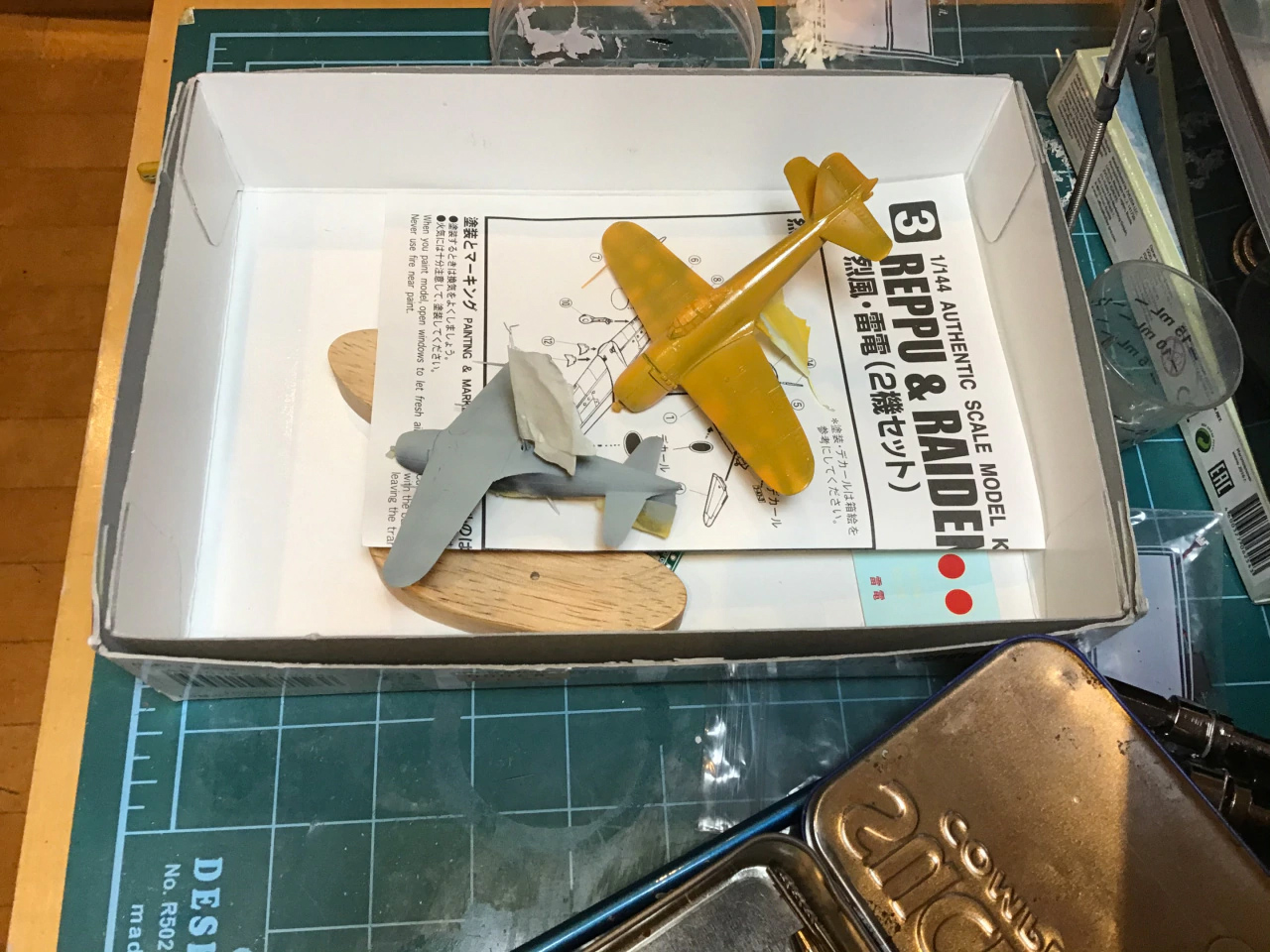
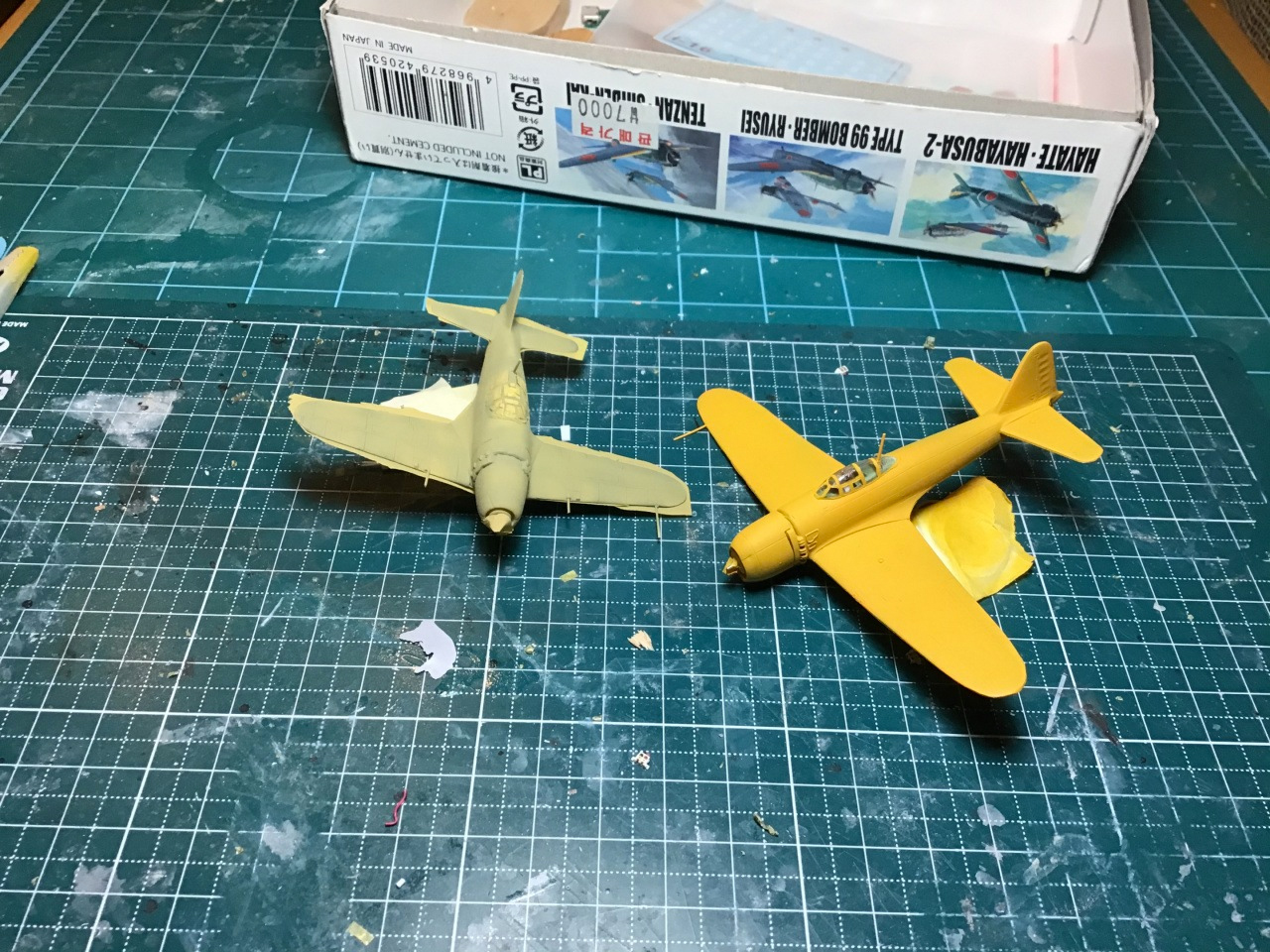
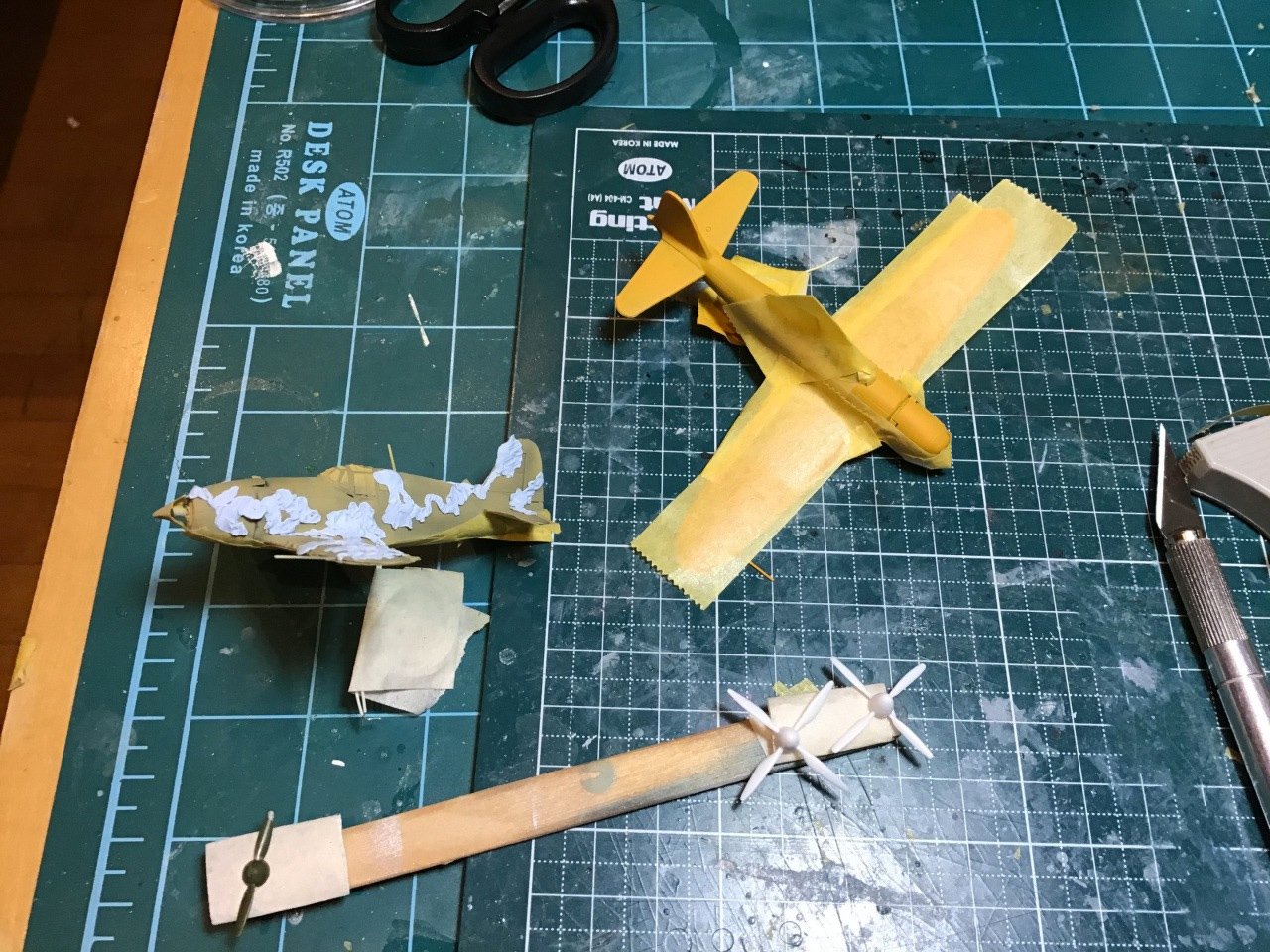
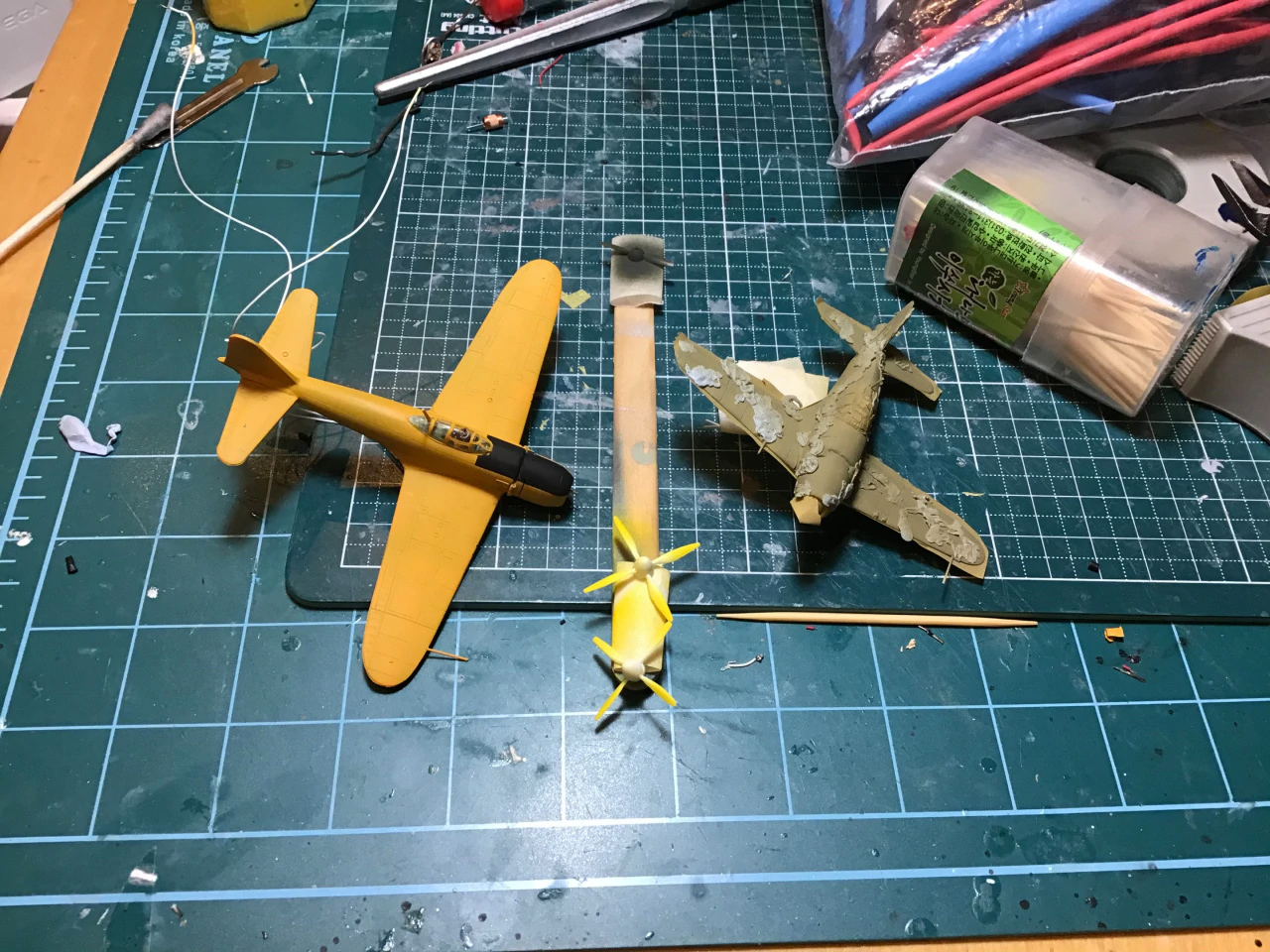
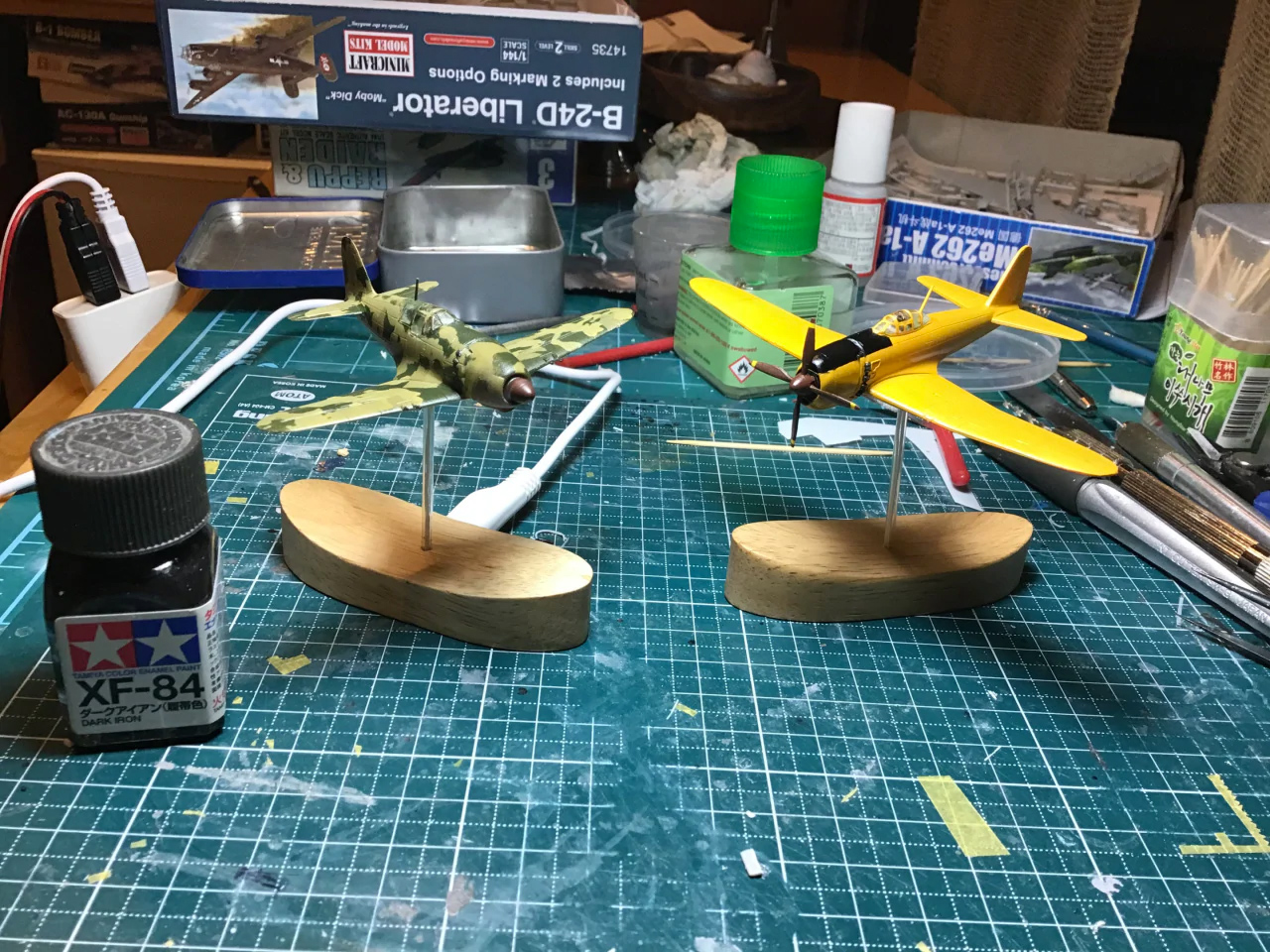
Aside from the same issues of how to get a tiny 4 mm DC motor inside the fuselage, the number one question I had was “what colour should I paint it?” Even though I have the freedom of not trying to adhere to a particular colour scheme, I’m also not going to be a slave to realism. In this case though, the fact that the plane never got much further than the prototype stage made me think it was the perfect candidate to try out that Japanese orangey-yellow colour that they used on experimental aircraft. I’m pretty sure there’s going to be plenty of green and grey to go around, so why not.
I mixed Tamiya XF-2 (Flat White) and XF-7 (Flat Red) in a ratio of 18:1, to achieve the colour and I’m pretty happy with it. Af first I was a bit worried I might’ve overdone it on the black undershading coat, but some patience paid off and I’m happy with the added depth the tone brings.
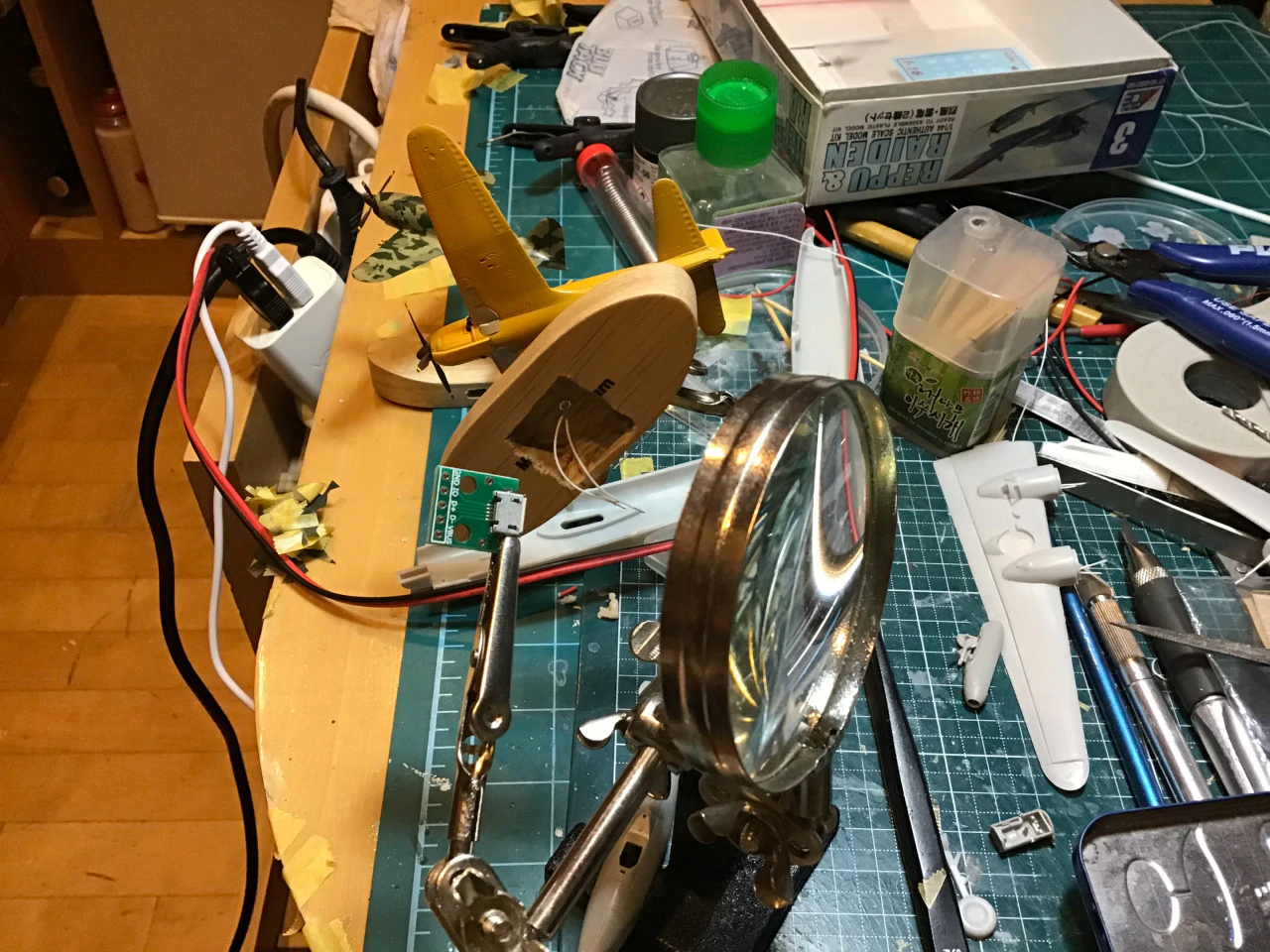
Really, the biggest part of the adventure came right at the end, just after I finished putting on all the decals. I went to plug it in to my micro USB cable and… nothing. Dead.
WHAT?! Damn…
So, left with the choice to do nothing and waste all the work for the engine, or do… something… and hope for the best, I did something. What I did was basically open heart surgery in the tradition of that buzzing board-game “Operation.” Don’t touch the sides is certainly good advice when you find yourself carefully pulling a 1/144 scale plane apart at the seams, and then re-soldering tow tiny wires with absolutely no wiggle room. One false move and the whole thing was going to be going in the bin in a melted mess.
Luckily, I’m happy to report that, despite some light scaring where the right wing meets the fuselage. Whatever doesn’t kill us, just makes us stronger, right?
All in all, I’d say this was a pretty successful outing for my first Voir et Savoir Plus project. Feel free to leave me a comment and tell me what you think.
Discover more from strobez
Subscribe to get the latest posts sent to your email.
